
Quick Answer
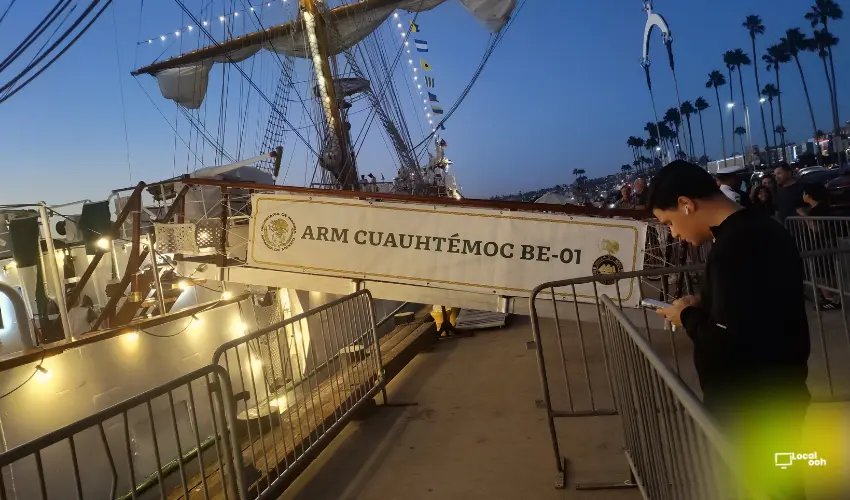
Just as Mexico’s ARM Cuauhtémoc sets sail carrying the country’s presence, culture and identity to different ports, OOH and DOOH carry messages through public space: visible, memorable and capable of traveling far beyond a single point of contact. The shared idea is simple — movement, visibility and repetition can extend a message well beyond its place of origin.
Local OOH: From Sails in the Wind to Screens Lit Across the City
Just as the ARM Cuauhtémoc unfolds its sails and carries the presence, culture and identity of Mexico to different ports, Out-of-Home Advertising and Digital Out-of-Home carry messages through public space.
Both rely on visibility, presence and movement.
A ship crosses distances physically. OOH travels through audience movement, repetition, transit routes, streets, landmarks and digital networks.
The principle is the same: a message gains strength when it moves beyond a single point of contact.
For brands looking to build that kind of presence, Local OOH can help plan OOH, DOOH, transit and high-impact placements designed to carry a message farther across the public environment.
The ARM Cuauhtémoc Turns Presence Into a Journey
A sail training ship does more than occupy a port.
Its arrival creates a visible presence, a point of attention and a story that travels with it from one destination to the next.
In that sense, the ARM Cuauhtémoc becomes a powerful symbol of how identity can move through space while remaining recognizable.
OOH works in a similar way. A brand can appear in one neighborhood, continue across transit routes, reappear in another district and stay present through digital screens, creating continuity across multiple physical environments.
OOH Carries Messages Through Public Space
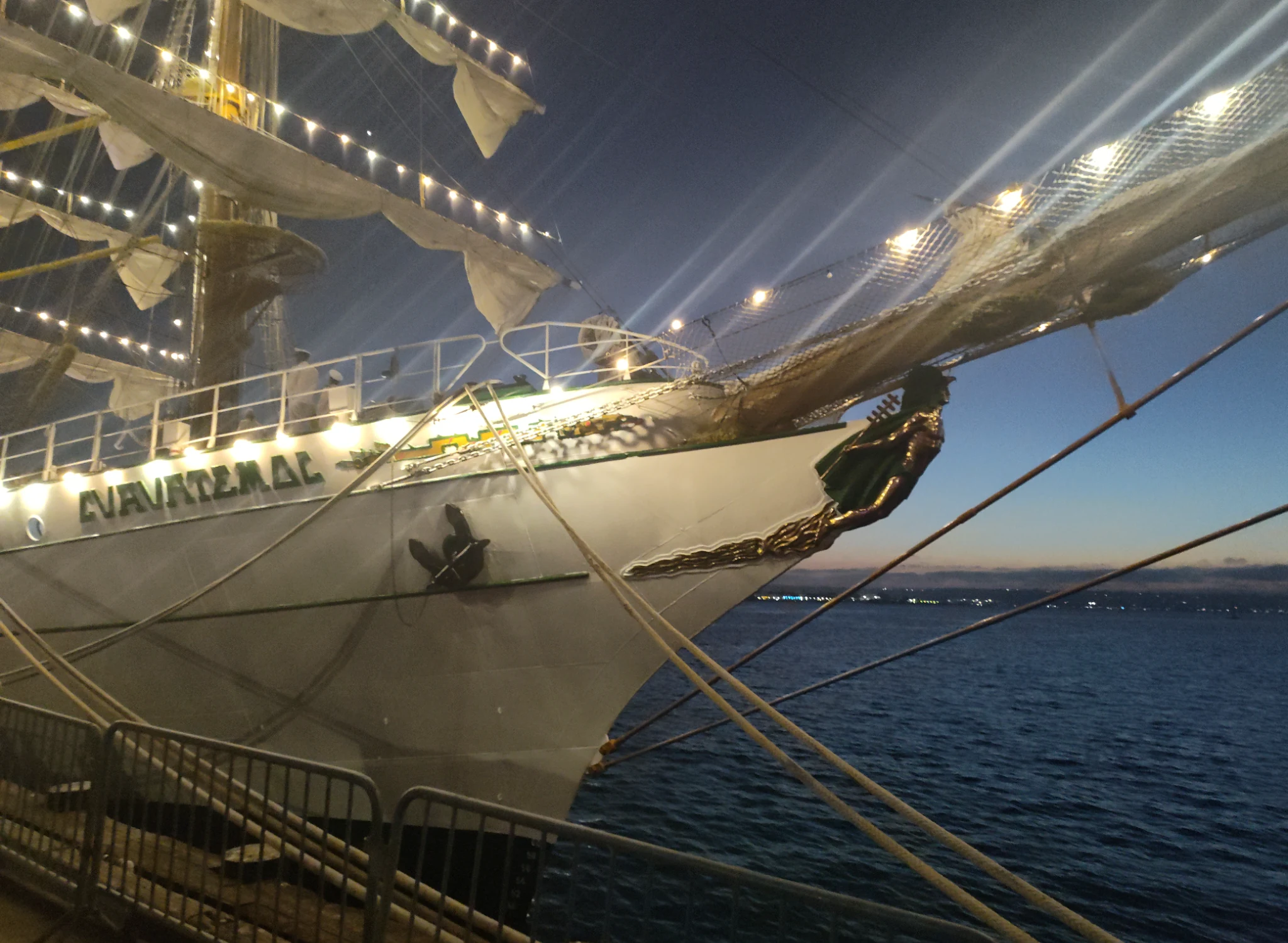
Outdoor advertising is built around public visibility.
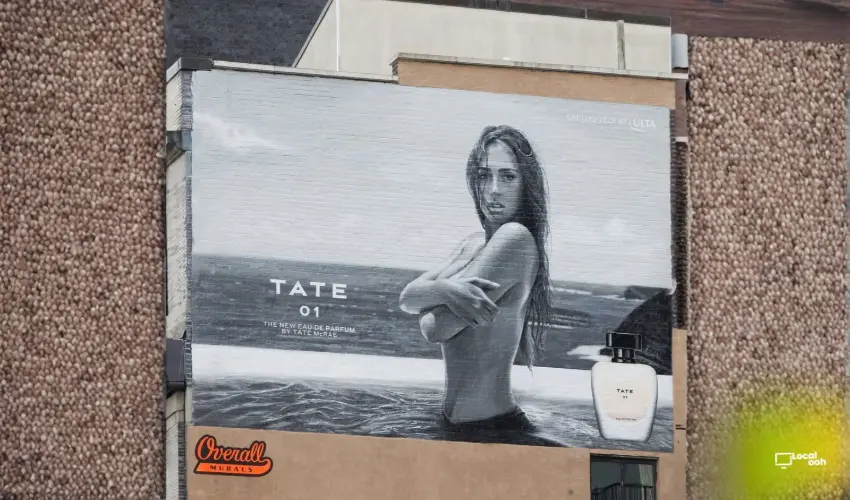
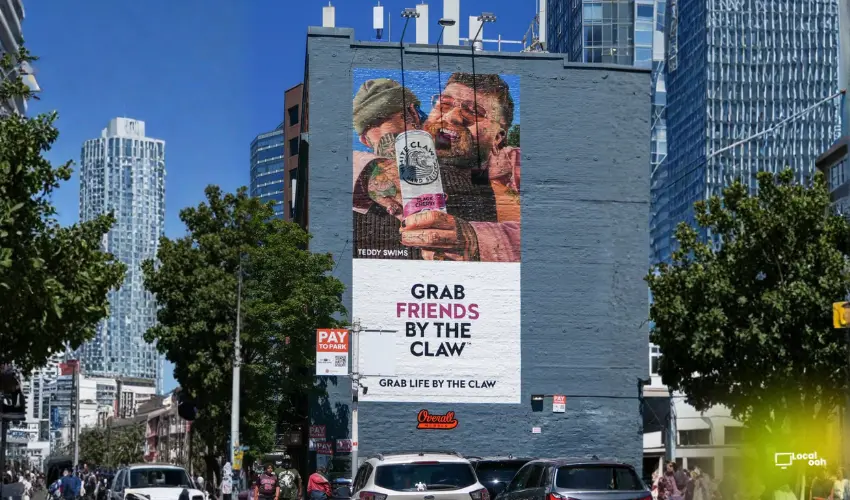
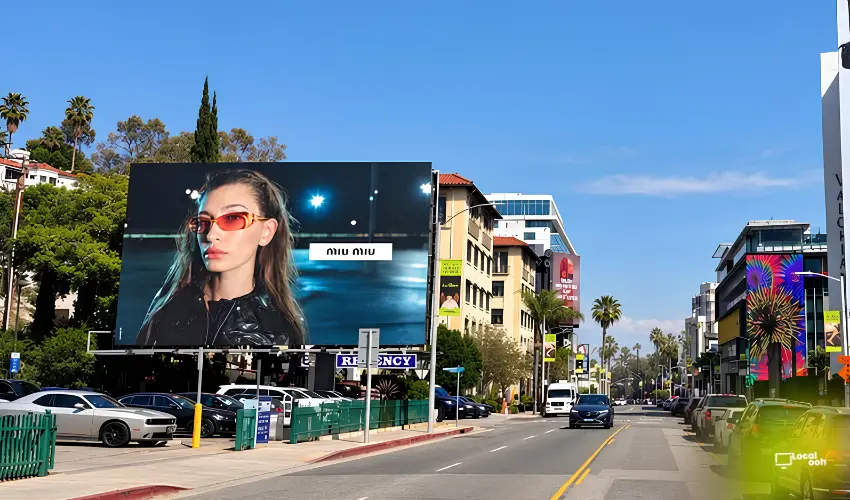
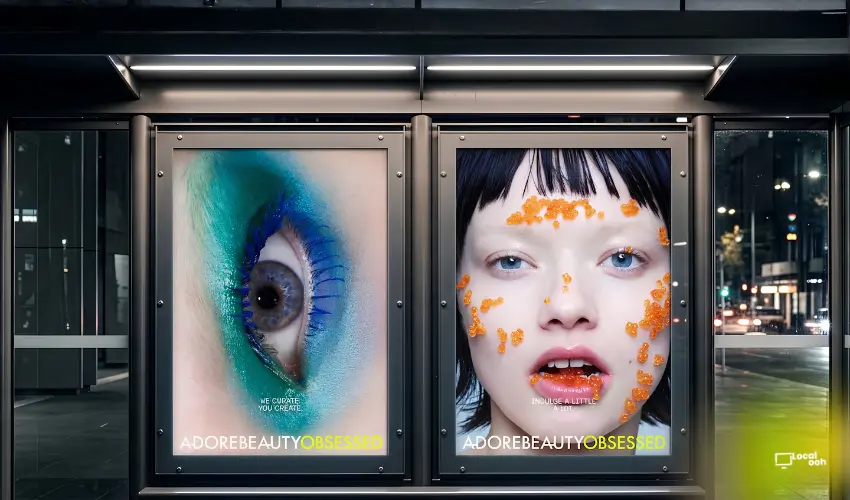
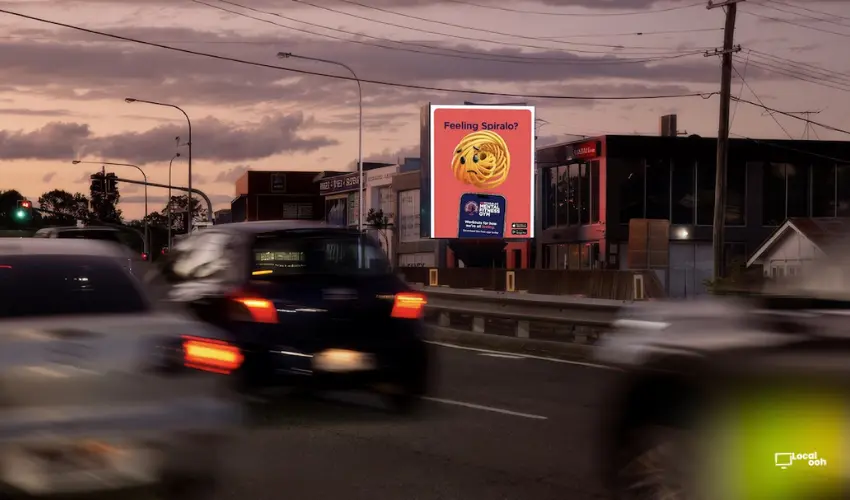
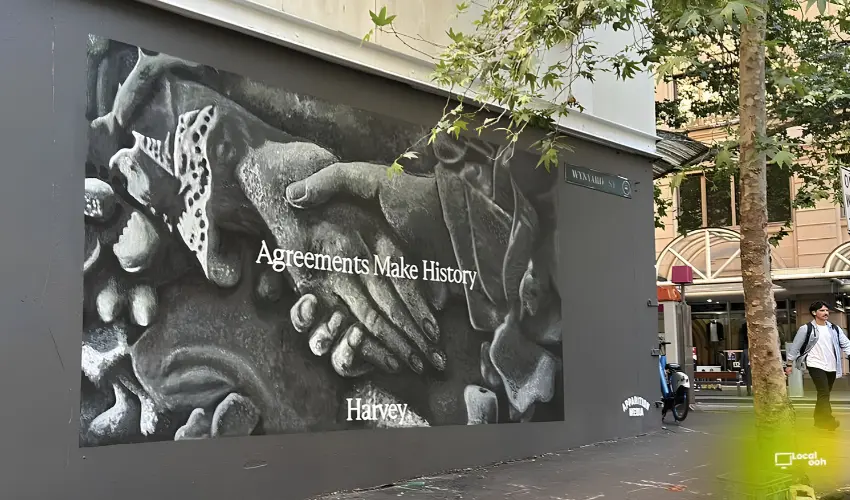
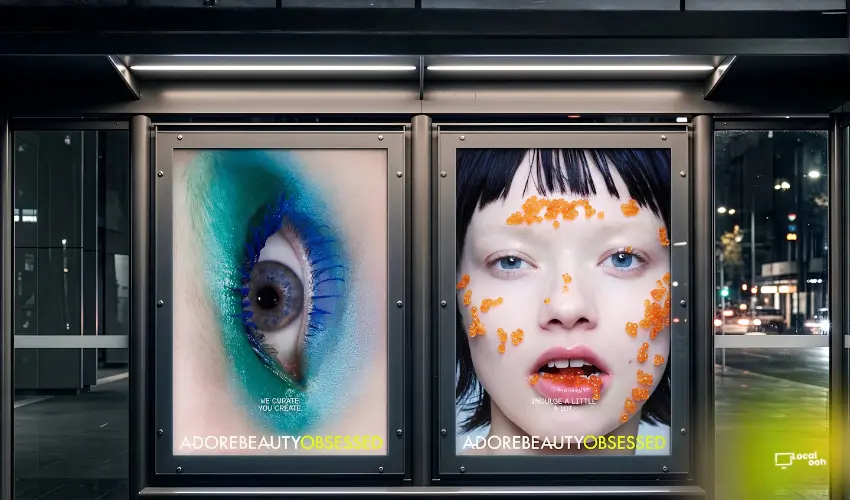
A billboard, transit unit, street furniture panel or digital screen places a message directly into the environments people already move through every day.
That public presence gives OOH a unique ability to create repeated encounters without asking audiences to actively search for the brand.
The message is simply there: visible, physical and integrated into the city.
Movement Extends the Message Beyond One Location
One of the strongest parallels between a ship and OOH is the idea of movement.
The ARM Cuauhtémoc carries a recognizable identity as it reaches different ports.
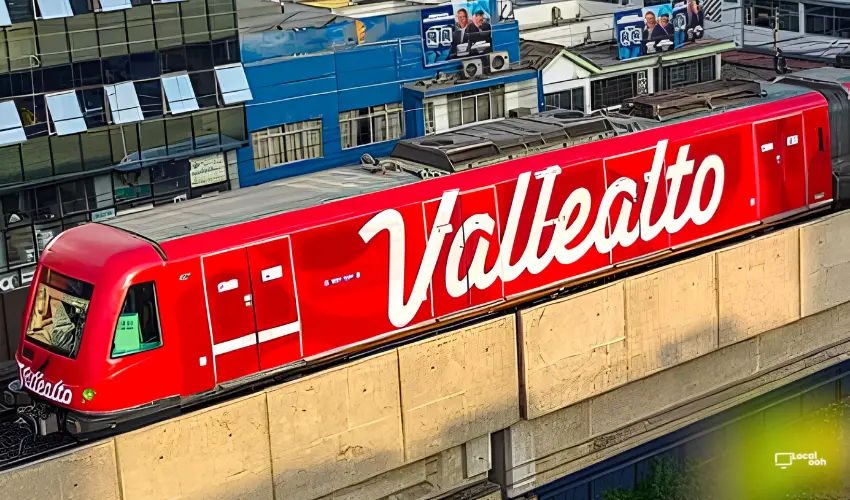
OOH can do the same through networks of placements, transit environments and digital media.
A campaign can begin on one street, continue on a bus route, appear in a station and then reappear on a digital screen elsewhere in the city.
That repetition helps the message feel larger than any single placement.
Identity Matters as Much as Reach
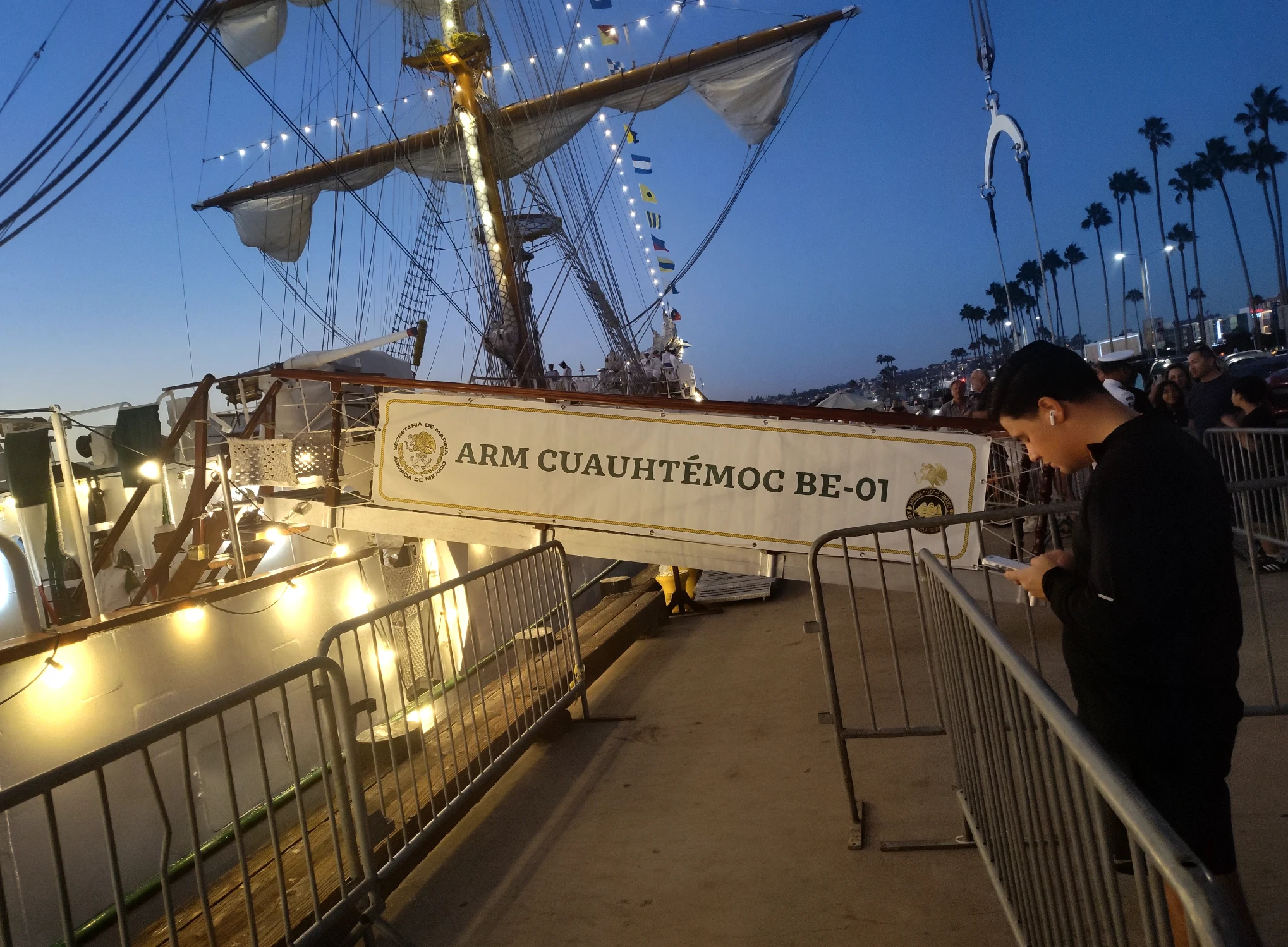
Moving a message farther only works if the identity remains clear.
The Mexican flag, the ship’s form and its visual presence make the ARM Cuauhtémoc recognizable even before a viewer reads a name.
Brands face the same challenge in outdoor media.
Colors, typography, symbols, photography and tone need to remain consistent enough that audiences connect separate placements as parts of the same story.
That consistency allows scale to build recognition rather than simply adding more media.
DOOH Adds Light, Timing and Flexibility to the Same Mission
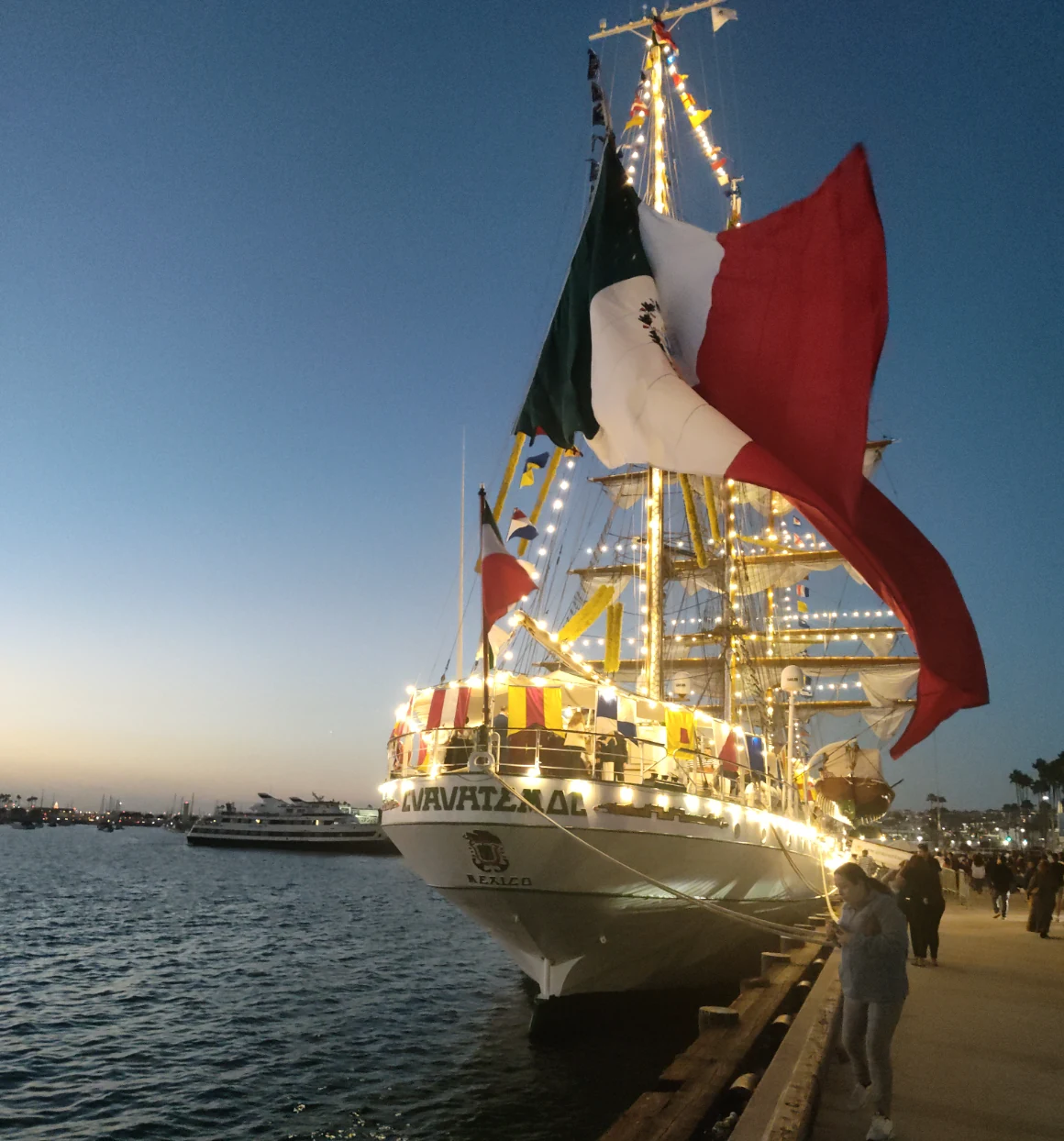
Digital Out-of-Home expands the same basic idea with additional flexibility.
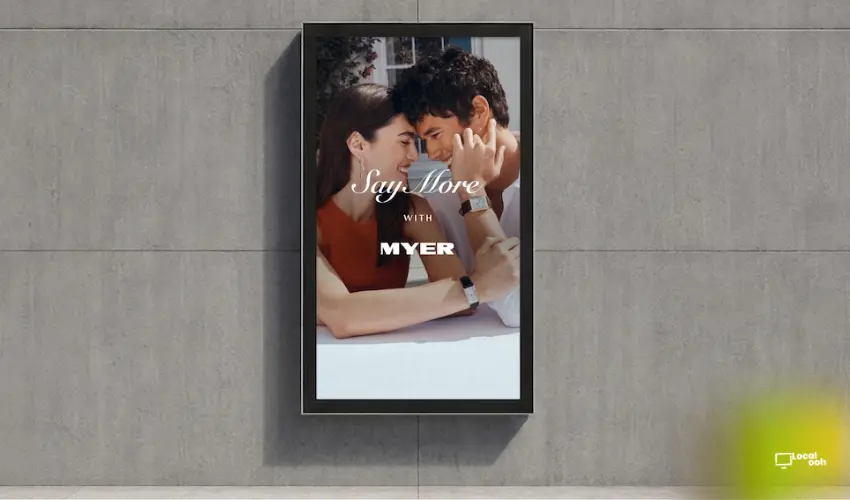
Instead of one fixed message, digital screens can adapt creative by time, location or audience context while remaining part of a larger campaign system.
The format may change, but the mission does not: keep the message visible, recognizable and moving through the places people already occupy.
Why This Metaphor Works for OOH
- Both are built around presence. A ship in port and a large OOH placement both create immediate physical visibility.
- Both carry identity. Recognition depends on consistent symbols, colors and visual cues.
- Both move beyond a single location. A ship reaches new ports while campaigns extend across cities, routes and networks.
- Both rely on memory. Scale, repetition and distinctive presence make the experience easier to remember.
- Both can create cultural meaning. Public visibility can connect a message with place, community and shared experience.
From Sails in the Wind to Screens Lit Up
The comparison can be summarized in one line:
“From sails in the wind to screens lit up: the same calling to take a message further.”
That is the core strength of OOH and DOOH: the ability to give a message physical presence, repeat it across public space and extend its reach well beyond one isolated contact.
What Brands Can Learn From the ARM Cuauhtémoc Metaphor
A message becomes more powerful when it is not confined to one location.
The strongest outdoor campaigns are designed as journeys, with multiple touchpoints that reinforce the same identity and idea as audiences move through the city.
For brands planning a broader public-space presence, Local OOH can help connect billboards, transit, street furniture, DOOH and high-impact placements into one coordinated campaign journey .
Take Your Next Message Further With Local OOH
If your brand needs more than a single point of contact, Local OOH can help build a campaign designed to travel across the public environment through OOH, DOOH, transit, street furniture and other high-visibility formats.
Summary
The ARM Cuauhtémoc offers a useful metaphor for outdoor advertising. A ship carries identity physically from port to port; OOH and DOOH carry brand stories across streets, transit systems, city centers and digital screens. In both cases, the message becomes stronger through presence, scale, movement and repeated public exposure. From sails in the wind to illuminated screens, the objective is the same: take a message further.
Sources
The conceptual text and photographs were supplied for this article. The material compares the ARM Cuauhtémoc carrying Mexico’s presence, culture and identity across ports with OOH and DOOH carrying visible, memorable messages through public space. No reach, impression, media spend or campaign-performance figures were supplied.
FAQs
What is the main idea behind this article?
It uses the ARM Cuauhtémoc as a metaphor for how OOH and DOOH carry messages across public space and extend them beyond a single point of contact.
How is a ship similar to OOH?
Both depend on visible presence, movement and recognizable identity to carry a message across different locations.
Why is repetition important in outdoor advertising?
Repeated encounters across streets, routes and public spaces help a message feel larger than a single placement and can strengthen recognition.
What does DOOH add to the idea?
DOOH adds flexibility through digital screens that can adapt messages by time, place or context while remaining part of the same campaign system.
What is the central phrase of the concept?
“From sails in the wind to screens lit up: the same calling to take a message further.”

Comments (0)
Join the conversation. Keep it respectful and on-topic.