

Quick answer: A successful OOH campaign starts with a clear goal, a defined audience, the right locations and formats, simple creative and a realistic plan for measuring results.
Why OOH Campaign Planning Matters
Out-of-home advertising helps brands reach people while they are driving, shopping, commuting or moving through a city.
A successful campaign does not require dozens of billboards. It requires the right combination of audience, location, format, message and budget.
Careful planning helps ensure that the campaign appears where the right people are most likely to see, understand and remember it.
1. Define Your Campaign Goal
Start by deciding exactly what you want the campaign to achieve.
Common OOH campaign goals include:
- Increasing brand awareness.
- Promoting a new product or service.
- Driving visits to a store or location.
- Reaching people in a specific city or neighborhood.
- Supporting an event, opening or promotion.
- Generating searches, calls or website visits.
Your objective will influence the locations, formats, campaign duration and measurement strategy.
2. Understand Your Audience
Think about where your customers live, work, shop, travel and spend time.
Different audiences can be reached through different environments:
- Commuters through billboards, buses, trains and transit stations.
- Travelers through airport and transportation media.
- Local shoppers through mall screens and street furniture.
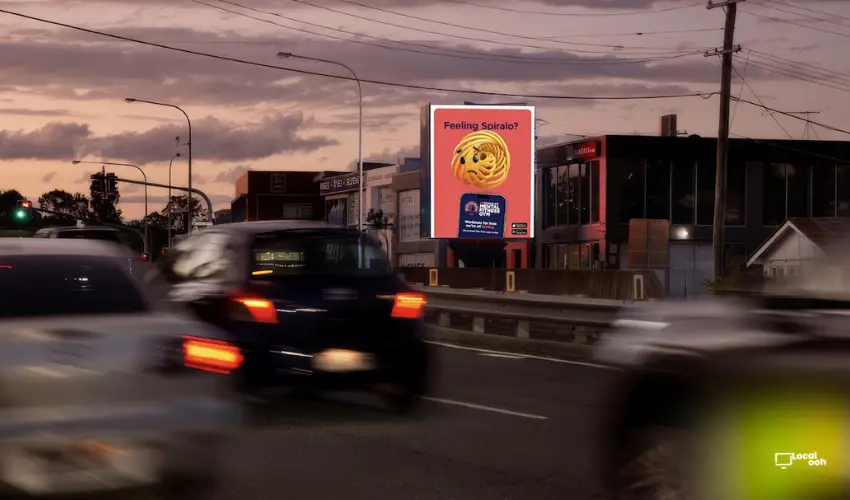
- Drivers through highway billboards and roadside digital displays.
- Event audiences through mobile billboards and nearby placements.
The busiest location is not always the best location. Audience relevance is usually more important than traffic alone.
3. Choose the Right OOH Format
Each outdoor advertising format offers different benefits.
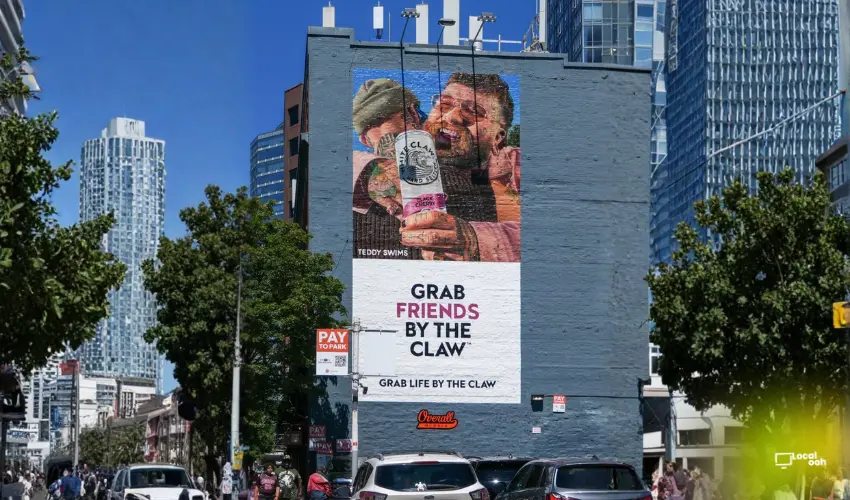
Traditional billboards provide continuous visibility throughout the campaign period.
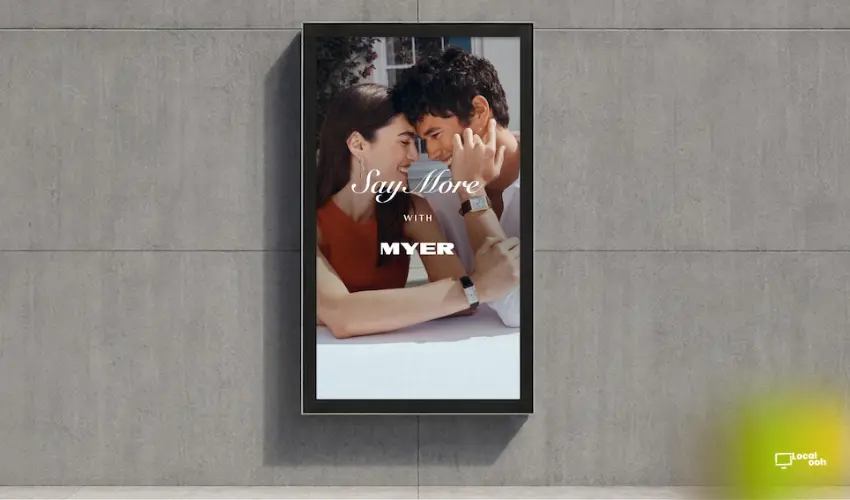
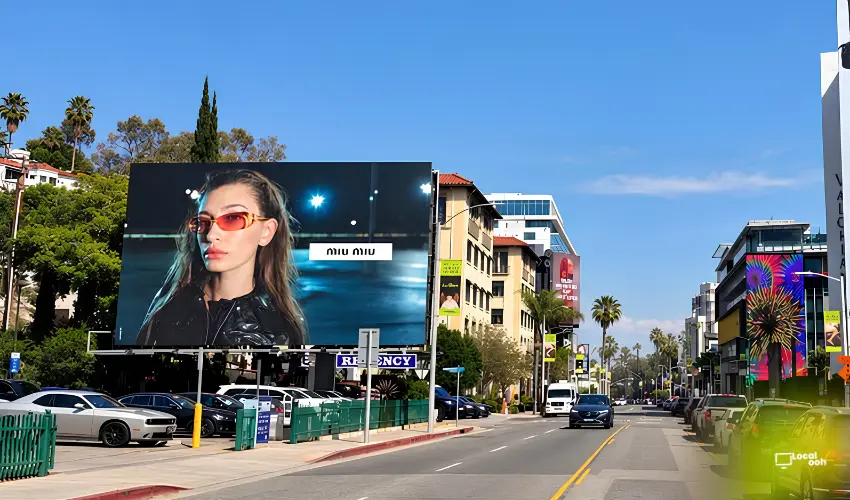
Digital billboards support faster launches, multiple creatives and flexible scheduling.
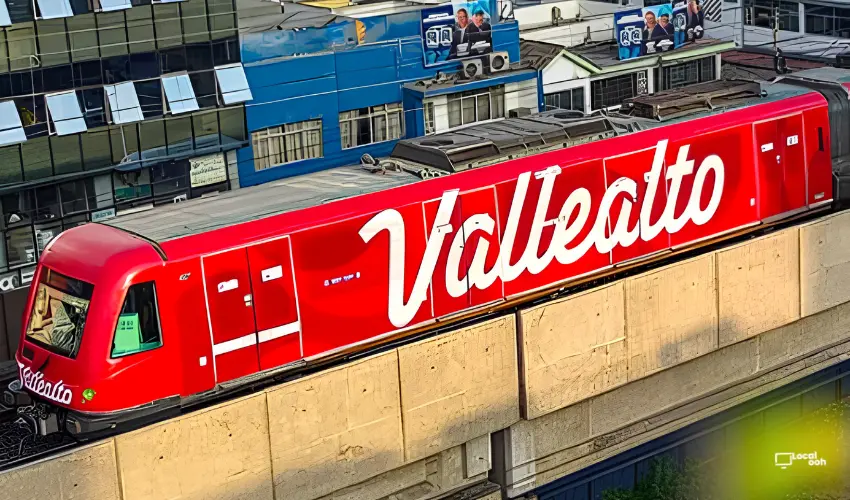
Transit advertising reaches commuters through buses, taxis, trains and stations.
Airport advertising connects brands with travelers, tourists and business audiences.
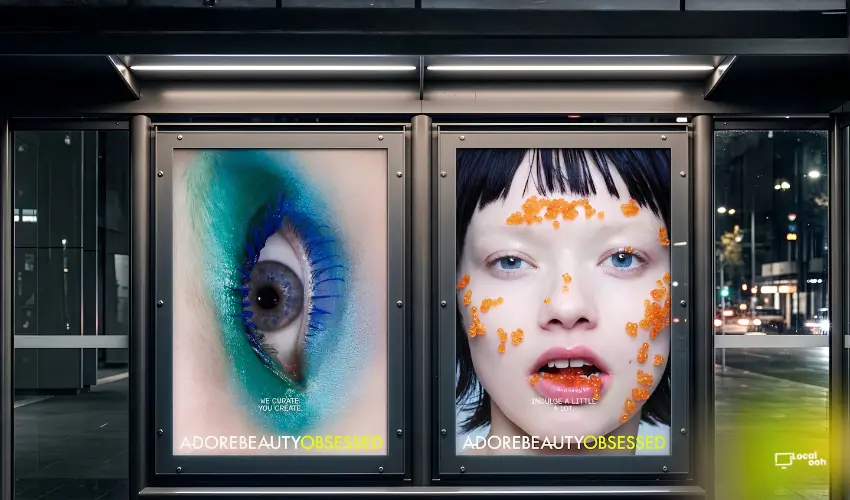
Street furniture places campaigns closer to pedestrians, neighborhoods and local businesses.
Mobile billboards can follow selected routes and target events, districts or specific audience areas.
The selected format should match the campaign objective, audience behavior and available budget.
4. Set a Realistic Budget
OOH advertising costs vary significantly depending on the market and campaign requirements.
Pricing is commonly influenced by:
- City and market.
- Location and traffic levels.
- Format and media size.
- Campaign duration.
- Audience demand.
- Production and installation.
Sharing a budget range when requesting a proposal helps media planners recommend realistic options.
The most expensive location is not automatically the most effective. Visibility, audience relevance and message clarity often matter more than price alone.
5. Keep the Creative Simple
People usually see outdoor advertisements for only a few seconds.
Effective OOH creative should include:
- One clear message.
- Large, readable text.
- Strong visual contrast.
- A recognizable logo.
- A simple call to action.
- Very little copy.
Avoid turning a billboard into a brochure. The audience should understand the main idea almost immediately.
6. Confirm the Campaign Details
Before booking the campaign, review all media, production and reporting details.
Confirm the following:
- Final locations.
- Formats and dimensions.
- Campaign start and end dates.
- Estimated impressions.
- Production and installation costs.
- Creative delivery deadlines.
- Proof of posting or proof of play.
- Available reporting options.
For digital screens, ask how frequently the advertisement will appear, how long each spot lasts and how many advertisers share the loop.
7. Measure the Results
The measurement strategy should connect directly to the original campaign goal.
Possible performance indicators include:
- Estimated impressions.
- Reach and frequency.
- Website visits.
- Branded search activity.
- QR code scans.
- Calls and form submissions.
- Store visits.
- Sales activity.
Not every campaign requires complex technology. A dedicated landing page, promotional code, unique phone number or location-based sales comparison may provide enough information.
Why This Planning Process Works
A strong OOH campaign brings media strategy, creative and measurement together from the beginning.
The goal is not to appear everywhere. It is to appear in the places where the right customers are most likely to notice and remember the brand.
Working with an experienced OOH partner can also simplify media selection, pricing, production, installation and reporting.
OOH Campaign Planning Checklist
- Define one clear campaign objective.
- Identify where the target audience spends time.
- Select formats that fit the objective and budget.
- Use short, readable and visually strong creative.
- Confirm dates, costs, specifications and reporting.
- Measure results using metrics connected to the campaign goal.


Comments (0)
Join the conversation. Keep it respectful and on-topic.