
Quick answer: Insurance agencies should use local OOH when they need more trust and recall in a defined service area. The strongest campaigns use a simple promise, one product focus, and one quote action across billboards, transit, or commuter media. OOH works best when it sends people to a trackable quote page or phone number and is measured against branded search, calls, forms, quote volume, and policy starts.
Why insurance buyers need local trust
Insurance is a trust category. People are not only comparing price; they are deciding who will answer the phone after an accident, storm, claim, business loss, or family change. That makes local visibility valuable, especially for independent agencies and regional brokerages competing against national carriers.
Outdoor advertising helps an agency look established in the real world. When a prospect sees the same advisor, agency name, or quote promise repeatedly on routes they use every week, the brand becomes familiar before the buyer needs a policy.
That familiarity matters when the buyer later searches online. A billboard cannot replace a quote engine, landing page, or sales process, but it can make the agency name feel safer and more recognizable before the click or call.
Best OOH goals for insurance agencies
| Goal | Best OOH role | Example message angle |
|---|---|---|
| Generate auto or home quotes | Create high-frequency local recall before search | Local quotes for home and auto, call today |
| Promote Medicare or life insurance | Build advisor familiarity and credibility | Talk to a local licensed advisor |
| Grow commercial insurance | Reach business owners on commuter and airport routes | Coverage for contractors, fleets, offices, or restaurants |
| Open a new agency office | Announce local presence and service area | Now serving this city or county |
Choosing formats and locations
The media plan should match the insurance product. Auto and home insurance need broad local frequency. Medicare and life insurance often need trust and advisor recognition. Commercial insurance may need corridors that reach business owners, contractors, property managers, logistics teams, or professional districts.
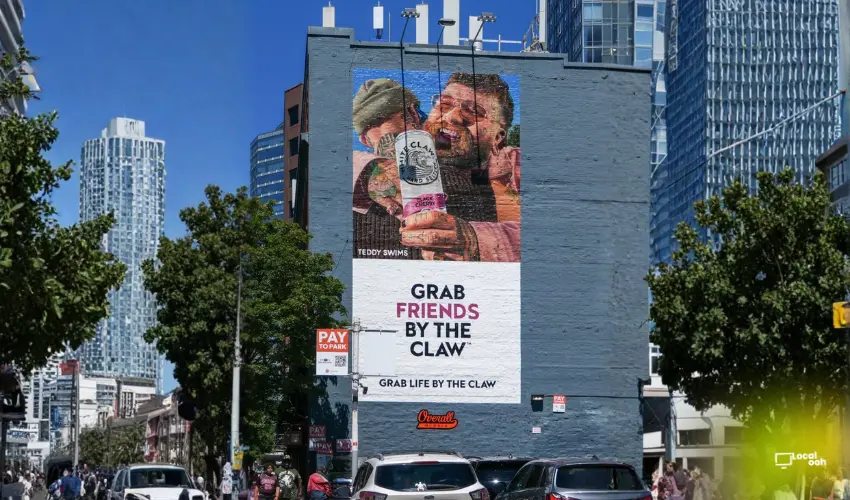
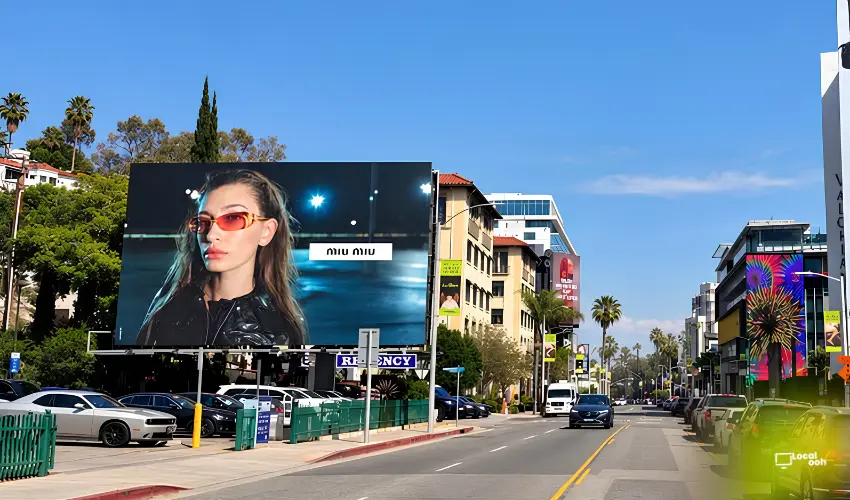
- Billboards: best for name recognition and repeated exposure in a defined county or metro area.
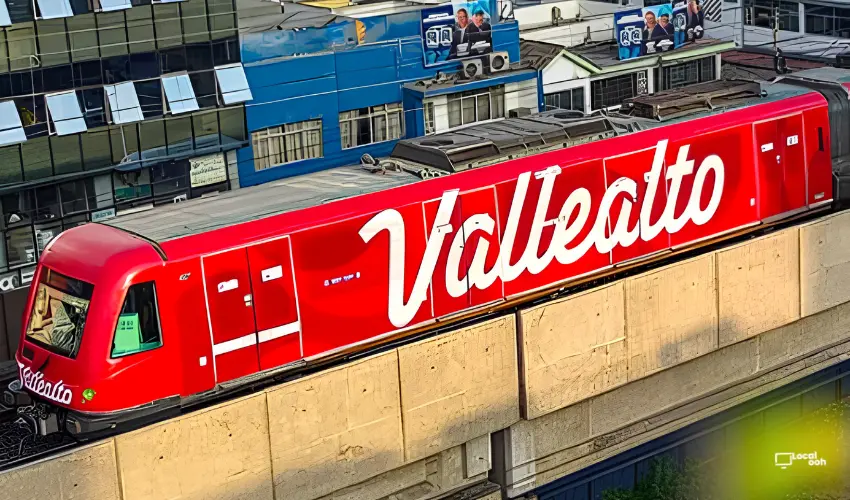
- Transit advertising: useful in dense urban neighborhoods where commuters see the same message often.
- Airport advertising: useful for commercial, executive, travel, relocation, and high-income audiences.
- Digital OOH: useful for rotating products, deadlines, weather triggers, or seasonal reminders.
Explore format options through billboard advertising, transit advertising, and airport advertising. For local market planning, pages like Alameda County billboard advertising show how inventory can be organized around a real service area.
What the billboard should say
Insurance creative should not try to list every carrier, product, discount, or credential. People read outdoor media quickly. The message needs one reason to remember the agency and one action to take.
- Lead with the product or problem: auto, home, business, Medicare, life, flood, renters, or contractors.
- Use a local trust cue: local office, licensed advisor, family agency, serving the county, or specific city coverage.
- Make the action easy: call, get a quote, scan later, or search the agency name.
- Keep the visual simple: one face, one name, one product, one URL or number.
For creative structure and readability, review the Local OOH creative best practices. Insurance billboards usually perform better when the design feels calm, clear, and credible instead of crowded.
Seasonal timing for insurance OOH
Insurance campaigns can run always-on, but some timing windows deserve extra weight. Storm season can support home, flood, and business continuity messages. Open enrollment can support Medicare and health-related products. Moving season can support renters and home coverage. New business cycles can support commercial policies, workers compensation, fleet, and professional liability.
Digital formats are useful when the agency wants to change the message by season without rebuilding the entire campaign. The brand can stay consistent while the product focus changes.
How to measure performance
OOH measurement should connect exposure to quote activity. Do not rely on one metric. A good insurance campaign looks at both direct response and brand demand.
- Unique phone number: route billboard calls into the same sales process with source tagging.
- Quote landing page: use a short URL that matches the billboard message.
- Branded search lift: watch searches for the agency, advisor, or office name.
- Quote by product line: compare auto, home, life, Medicare, or commercial quotes before and during the campaign.
- Lead quality: track bound policies, not only form volume.
Budget planning should include media, creative adaptation, and enough duration to create repeated recognition. For general pricing variables, see Billboard Costs in 2026.
CTA
If your insurance agency needs more quote demand in a specific city, county, or metro area, contact Local OOH with your service area, product focus, campaign timing, and lead goals. The team can help match formats and routes to the audience you need to reach.
FAQs
Can billboards generate leads for insurance agencies?
Yes. They work best when the billboard builds local recall and sends prospects to a trackable quote path such as a phone number or landing page.
What type of insurance agency should use OOH?
Local agencies, regional brokerages, Medicare advisors, commercial insurance specialists, and multi-office groups can all use OOH when geography matters.
What should an insurance billboard include?
Use the agency name, one product or promise, one credibility cue, and one action such as get a quote, call, or search the agency name.
Which OOH formats work for insurance marketing?
Billboards, transit, airport, commuter, and digital OOH formats can all work depending on the product line and audience.
How can insurance agencies measure OOH?
Use call tracking, quote landing pages, branded search trends, source fields, form submissions, and bound-policy reporting by product line.





Comments (0)
Join the conversation. Keep it respectful and on-topic.