
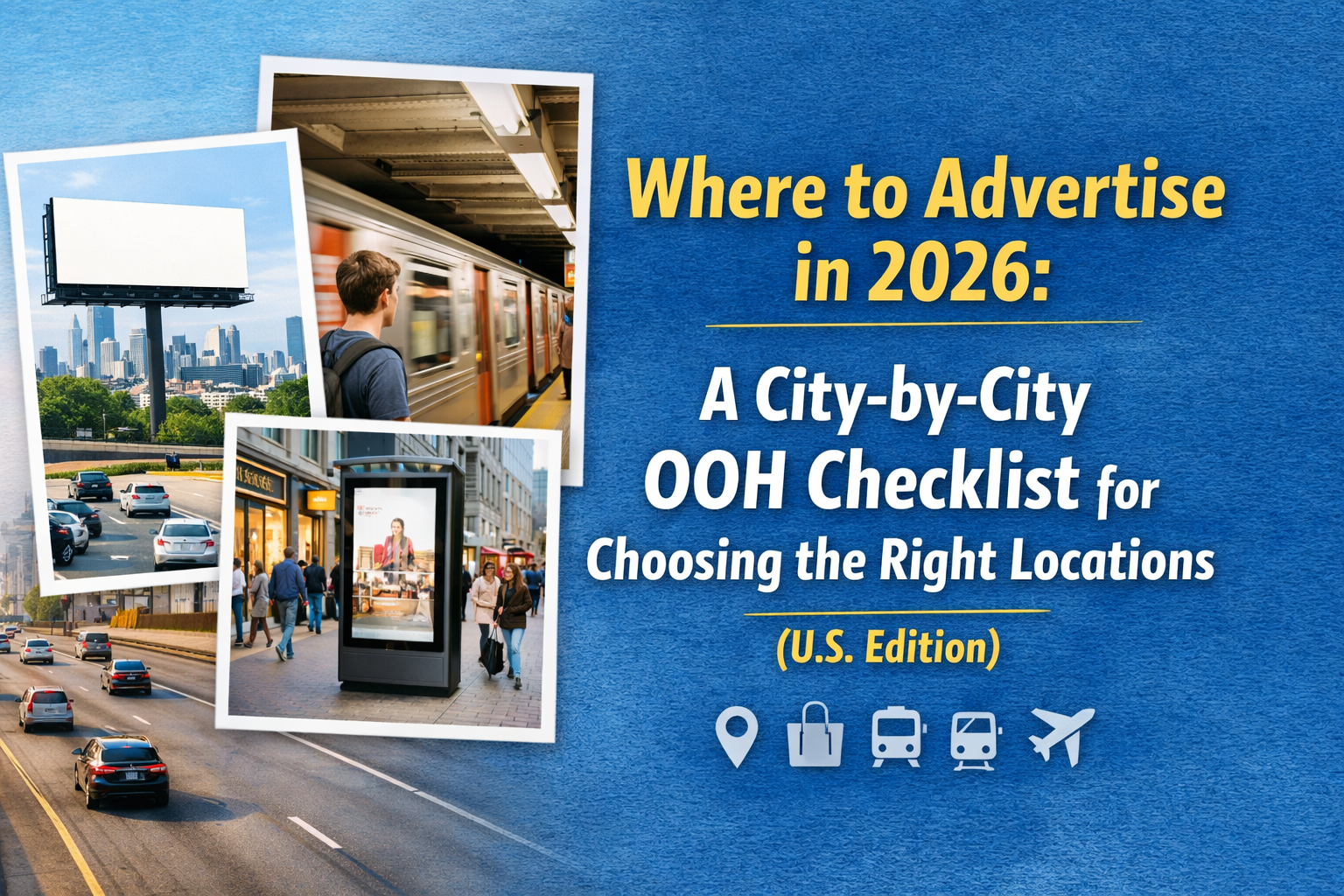
Quick answer: A strong local OOH plan begins before you look at a single billboard. Define the business outcome, markets, audience movement, budget scope, timing, creative requirements and measurement method first. Then ask for inventory that can actually support the goal.
Outdoor media can make a local business visible at the moments when people are moving through a city. The planning mistake is treating every available face, screen or transit placement as interchangeable. A better brief creates a useful filter: it lets you compare options against the job the campaign needs to do.
Use this checklist before requesting a proposal for billboard advertising, transit advertising or a multi-format OOH campaign.
1. Define the business outcome
Start with the action or change the campaign needs to support. Awareness is a valid goal, but it should be specific enough to guide market and format choices.
- Open a new location or enter a new market
- Build recognition before a seasonal sales period
- Support a local promotion, event or launch
- Increase qualified inquiries in a defined territory
- Stay visible while customers compare competing providers
Write one sentence that connects the campaign to the business objective. For example: "Build awareness for our new Boston location among commuters before the fall launch." That sentence keeps the rest of the plan focused.
2. Choose markets and movement zones
List the cities, neighborhoods, corridors and venues that matter. A market is not only a city name; it is the places where the desired audience moves and makes decisions.
- Primary trade areas around locations or service zones
- Commuter corridors, retail districts and business clusters
- Airports, transit routes, event venues or destination areas when relevant
- Markets where competitors already have strong visibility
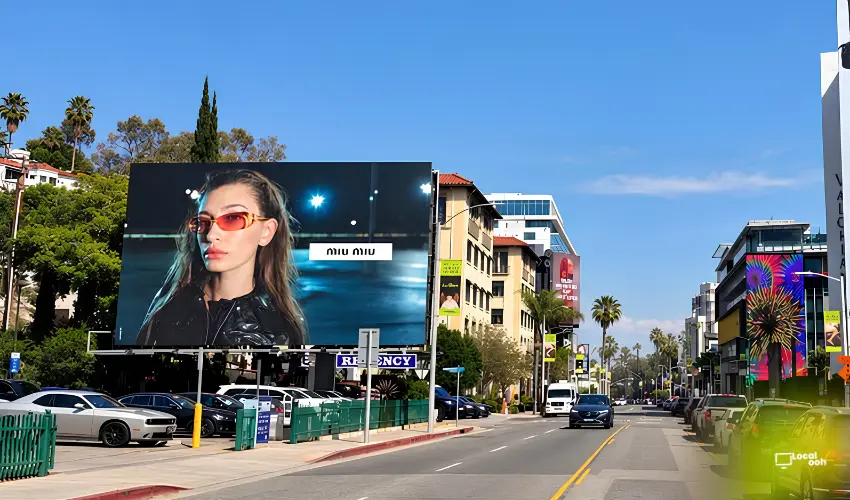
For a starting point, review available market context for Los Angeles or Boston. The same planning logic applies in every city, but inventory, travel patterns and buying timelines are local.
3. Describe the audience by behavior, not only demographics
Age and income can be useful, but OOH planning improves when you also explain where and when the audience is in motion. Think about commuting, shopping, work shifts, school runs, recreation, travel and event attendance.
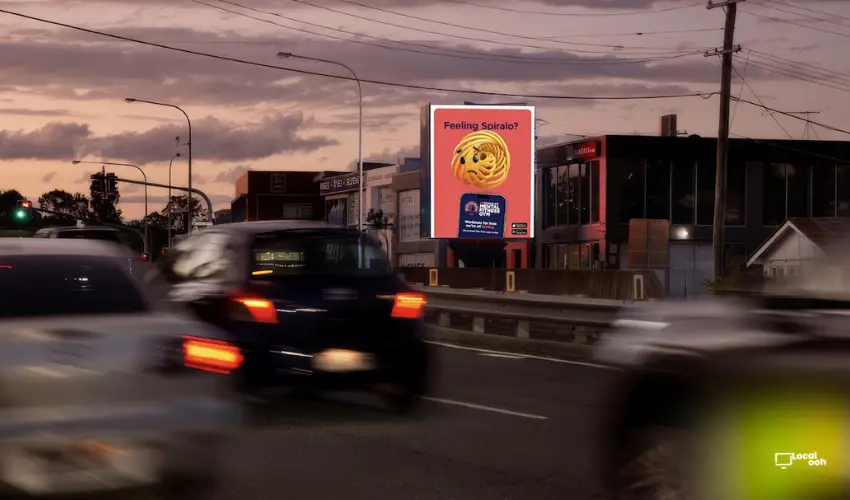
Include the moments in which a message is most relevant. That makes it easier to judge whether a highway board, a street-level unit, a digital screen or transit placement is the better fit.
4. Select the role of each format
Do not choose a format only because it is available. Give every placement a job in the plan.
| Planning decision | Question to answer | Useful output |
|---|---|---|
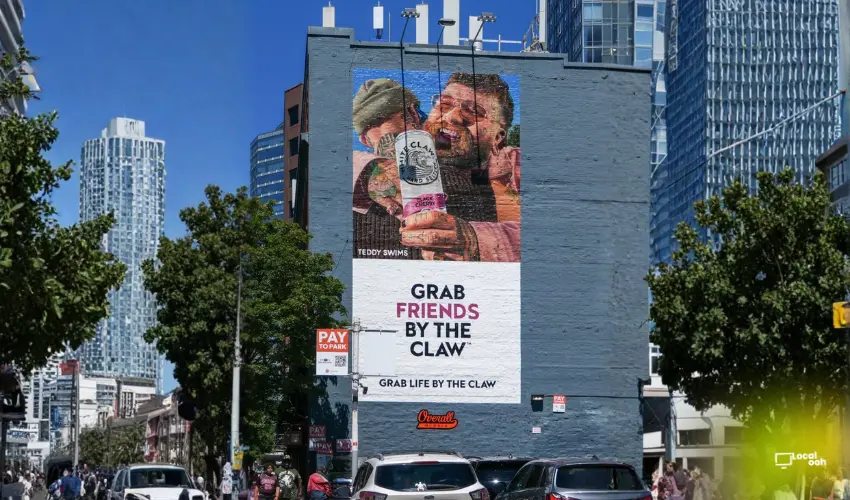
| Static billboard | Do we need a sustained presence on a key corridor? | Priority corridors and preferred posting periods |
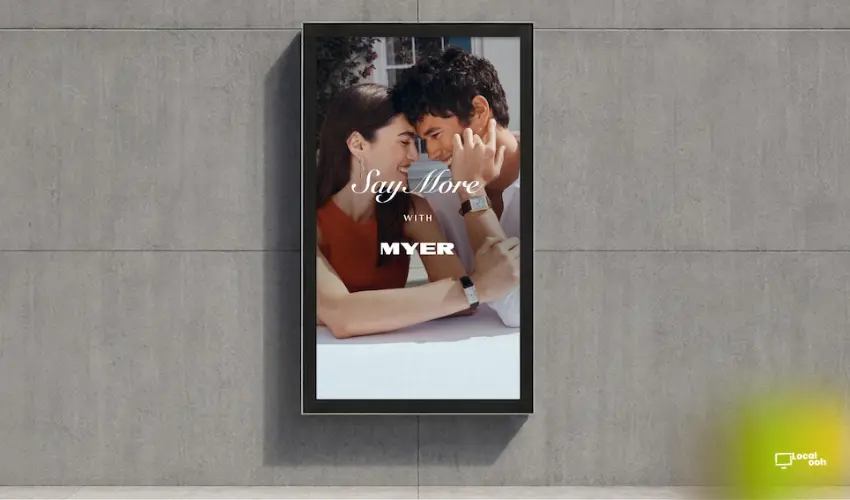
| Digital OOH | Do we need flexible timing, multiple messages or shorter bursts? | Dayparts, message versions and campaign windows |
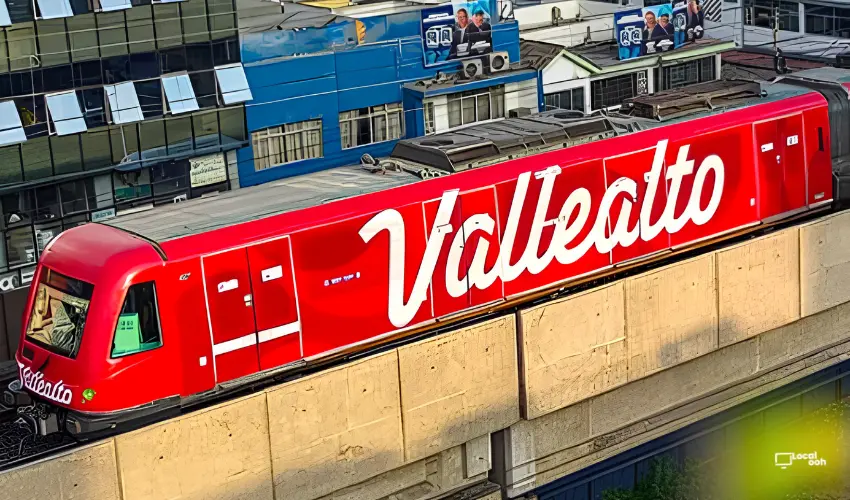
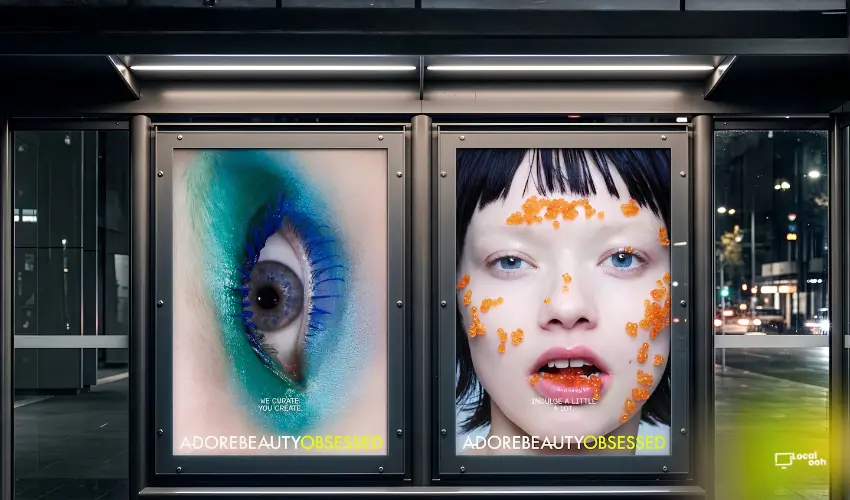
| Transit or street furniture | Do we need repeated exposure near daily movement or retail activity? | Routes, stops, stations or neighborhood clusters |
| Multi-format plan | Which format creates reach and which one adds proximity? | A clear role and budget range for each format |
5. Scope the budget honestly
Set an approximate media range and identify the costs that sit outside media space. This keeps a promising inventory list from becoming an incomplete proposal later.
- Media spend by market or format
- Production, printing, installation or digital trafficking where applicable
- Creative resizing for different specifications
- Measurement, landing pages or tracking assets
- Contingency for availability changes or added markets
For more detail on the variables behind media pricing, read Billboard Costs in 2026: What You Actually Pay. Cost should be part of the planning decision, not the first filter applied to every location.
6. Plan backward from the launch date
Inventory, creative approvals and production all need time. Identify the desired launch date, then work backward through the media hold, creative delivery, production and installation requirements. If the campaign supports an event or opening, add a buffer rather than assuming the final week is enough.
Also decide whether the message needs to run continuously, in a short launch burst, during specific dayparts, or across multiple phases. This matters especially when comparing fixed placements with digital options.
7. Build creative for the viewing environment
Outdoor creative has to work at a glance. The strongest plans reserve time for a message hierarchy that can be read quickly in the actual environment, not only on a laptop screen.
- One primary message or offer
- A recognizable brand cue
- Legible contact or location information only when it supports the objective
- Format-specific artwork and production specifications
- A practical approval path before the booking deadline
8. Choose measurement before launch
OOH does not need to be measured by a single metric. Match the method to the job of the campaign. A location launch might use qualified inquiries, store visits and market-level site traffic. A longer brand campaign may focus on search demand, direct traffic and the lift against a comparable area.
Make the baseline clear before the campaign begins. Decide who owns the report, how often it will be reviewed and what would justify extending, changing or expanding the buy.
9. Send a brief that produces useful inventory
A complete brief reduces back-and-forth and makes the response more commercial. Include:
- Business objective and target action
- Priority cities, corridors, neighborhoods or locations
- Audience movement and relevant moments
- Preferred formats and any exclusions
- Approximate media range and total budget considerations
- Launch date, campaign length and flexibility
- Creative status and measurement requirements
Ready to turn the checklist into a market plan?
Share your objective, markets and timing with the Local OOH team. We can help translate the brief into format recommendations, available inventory and a plan that is specific to the places your audience actually moves through.


Comments (0)
Join the conversation. Keep it respectful and on-topic.