
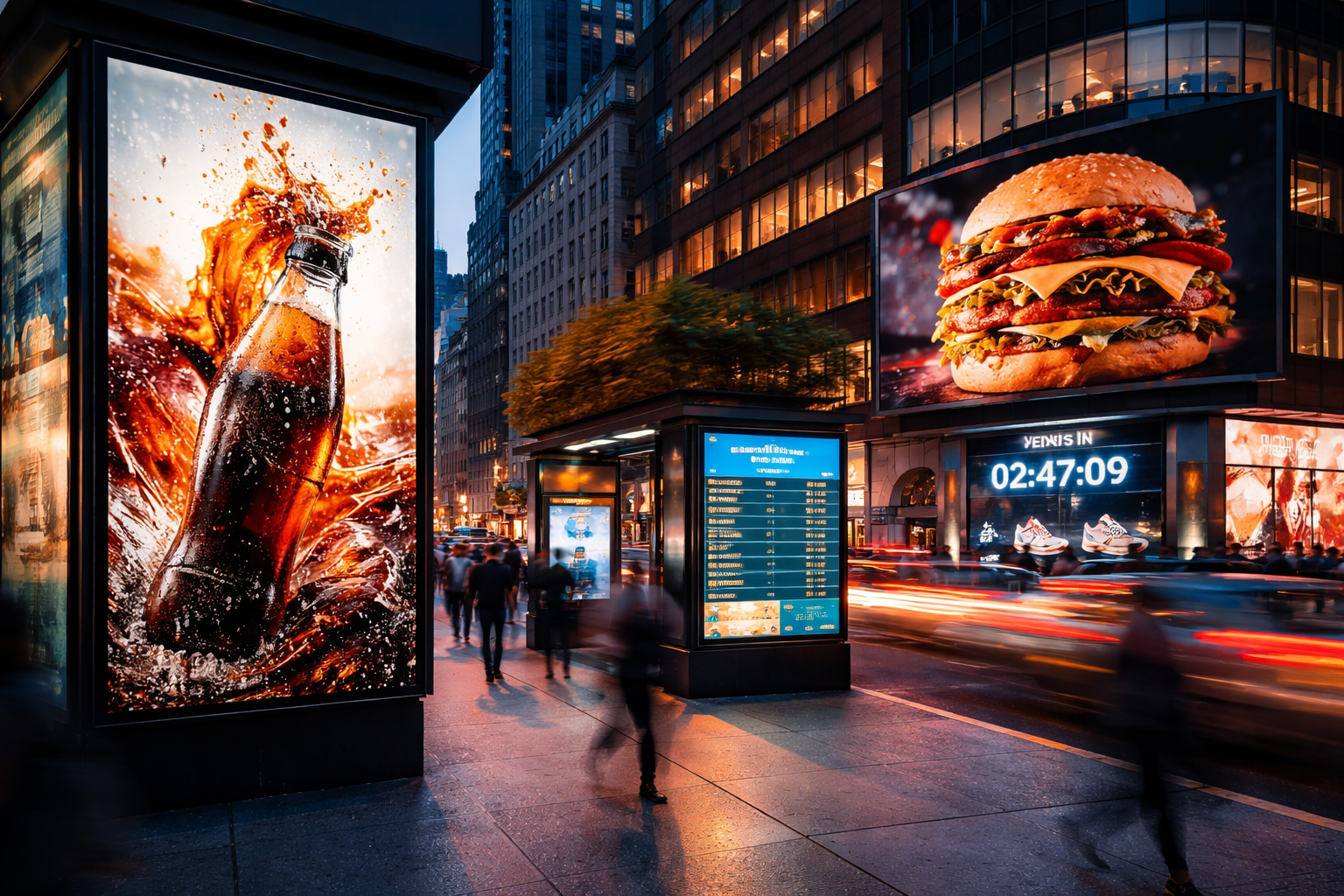
Quick Answer: The best DOOH creative isn’t “scroll-stopping.” It’s route-stopping—built for motion, repetition, and instant recognition. Below are 12 DOOH formats that consistently earn attention in public space, not just impressions.
Most DOOH fails for one simple reason: it’s designed like digital.
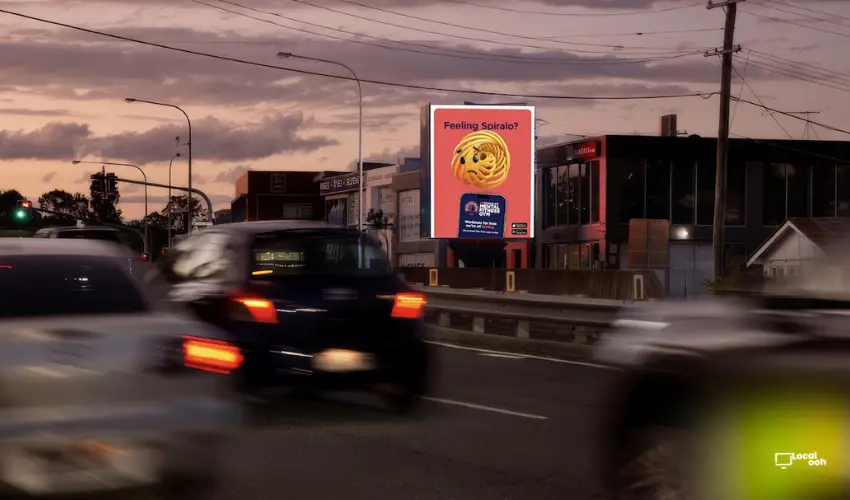
Public space doesn’t behave like a feed. People don’t browse billboards—they encounter them while driving, walking, commuting, or waiting.
Your goal isn’t clicks. Your real objectives are:
- Recognition in under two seconds
- Reinforcement through repetition
- A reason to look twice
12 DOOH formats that reliably win attention
-
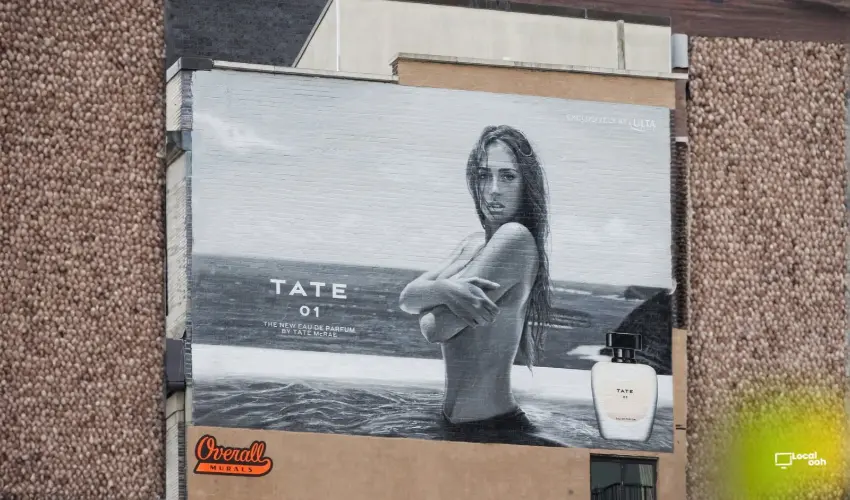
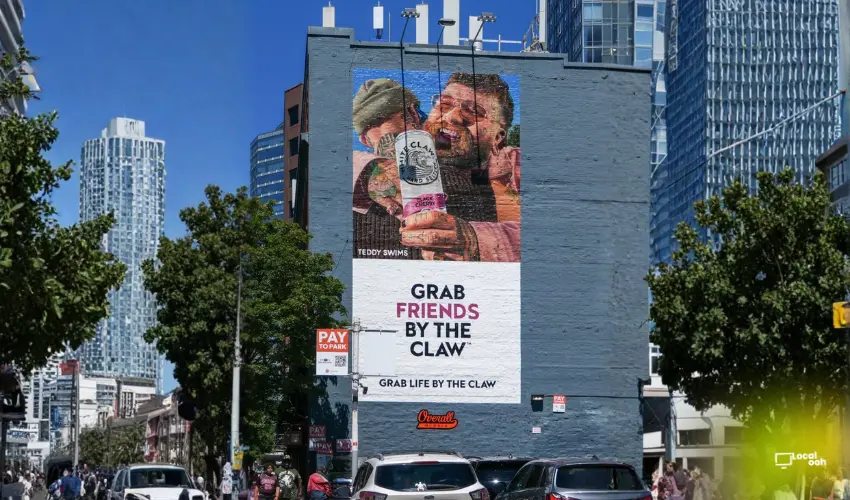
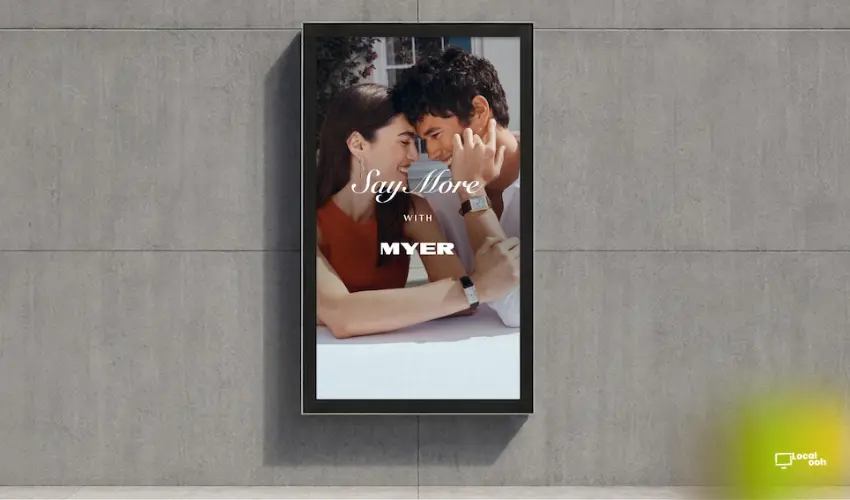
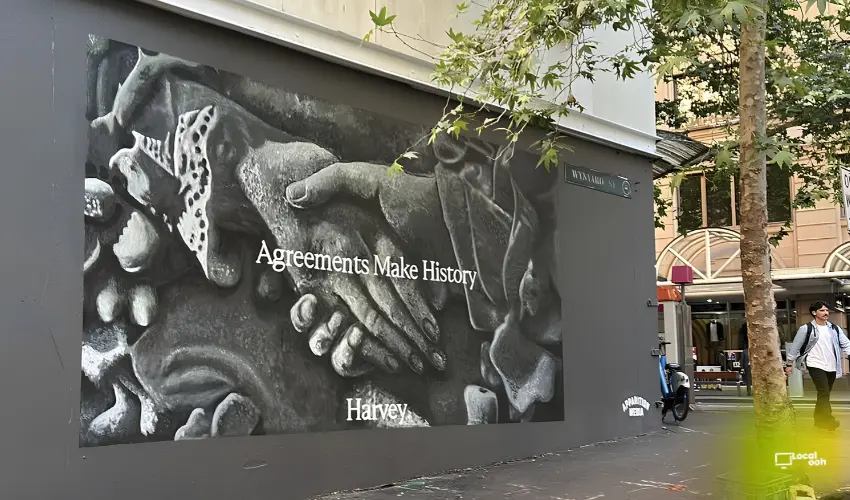
Ultra-simple headline + one visual
The classic “two-second read.” One idea. One image. No decoding required. -
Context copy
Creative that references the place, time, weather, or route—making the message feel situational, not generic. -
Dynamic dayparting
Morning and evening creatives serve different mindsets. Smart swaps increase relevance without new locations. -
Countdowns & urgency timers
Launches, drops, ticket windows, or deadlines that visually signal “now.” -
Sequential storytelling
Multi-board or multi-screen narratives that unfold across a route instead of a single placement. -
Roadblocks
Dominating an entire corridor or zone so the message feels unavoidable, not optional. -
Anamorphic or forced perspective
Built for phone capture and shareability, while still working in real-world motion. -
Lenticular or motion illusion
Apparent movement without video—ideal for environments where static still needs to feel alive. -
Live data triggers
Scores, wait times, price changes, air quality, inventory—information that updates in real time. -
“Proof” creative
Reviews, ratings, social receipts, or credibility signals that validate the message instantly. -
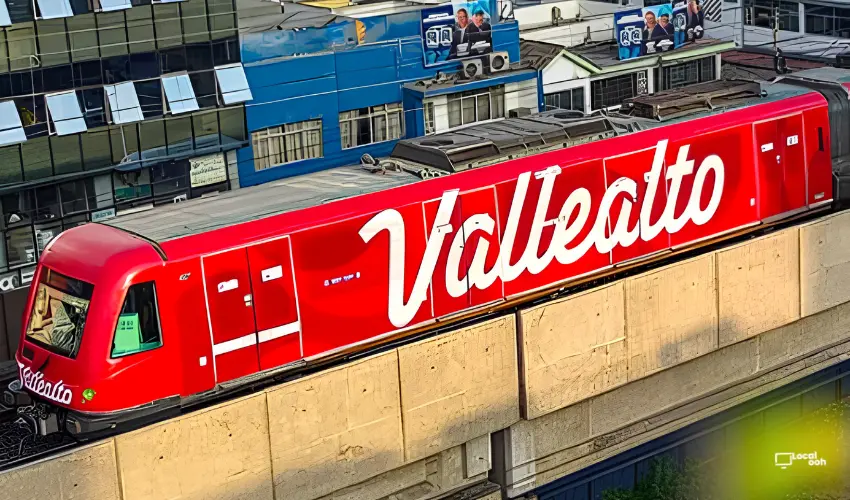
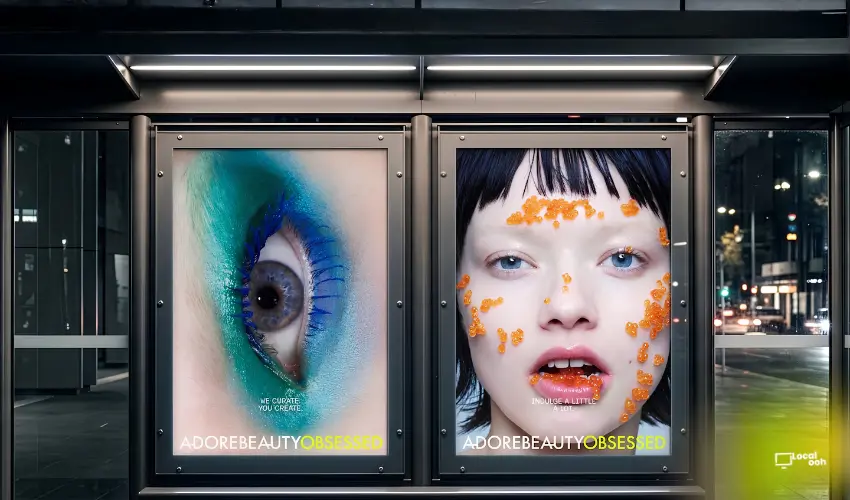
Product-as-hero
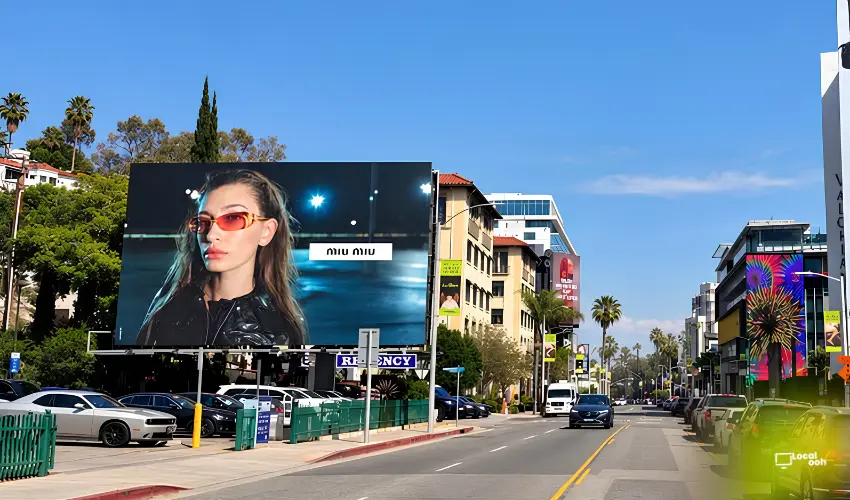
Oversized objects, minimal copy. Let scale and familiarity do the work. -
Public participation
QR codes, polls, or prompts—but only when stopping actually makes sense in the environment.
How to choose the right format
The strongest DOOH campaigns don’t use every format. They match the format to the objective.
- Launch / awareness: Roadblocks, anamorphic executions, oversized product visuals
- Consideration: Proof creative, sequential storytelling
- Performance: Context copy, live data, dynamic dayparting
The DOOH brief that gets better creative
Instead of briefing “make it bold,” brief for reality.
Strong DOOH briefs answer:
- What should someone remember after one glance?
- What route or environment does this live in?
- What should the creative do at speed?
When creative is designed for recognition—not reading—it performs better by default.
FAQs
What’s the biggest mistake in DOOH creative?
Writing too much and designing for “reading” instead of instant recognition.
Do QR codes work on DOOH?
Only when the context supports stopping—such as transit dwell, retail environments, or queues. On highways, usually not.
What matters more: beauty or clarity?
Clarity. Beauty only helps if it stays legible, fast, and obvious in motion.
Bottom line
Winning DOOH in 2026 isn’t about louder messages. It’s about designing for how people actually move through public space.
Attention isn’t earned by complexity—it’s earned by speed, relevance, and repetition.

Comments (0)
Join the conversation. Keep it respectful and on-topic.