

The impression era is ending.
OOH has historically been planned on reach and frequency. That still matters—but it’s not enough.
In 2026, media buyers increasingly ask a better question: How much attention will this unit actually earn?
Because two placements can have similar impressions but wildly different outcomes depending on visibility, dwell time, clutter, and context.
What “attention” means in OOH
Attention isn’t one number. It’s a set of real-world conditions that influence whether someone actually looks:
- Viewing opportunity (angle, distance, speed)
- Dwell time (traffic stops vs freeway flow)
- Visual clutter (competing signage)
- Creative legibility (readability at speed)
- Screen brightness and contrast (especially DOOH)
The attention-first planning checklist
1) Match format to speed
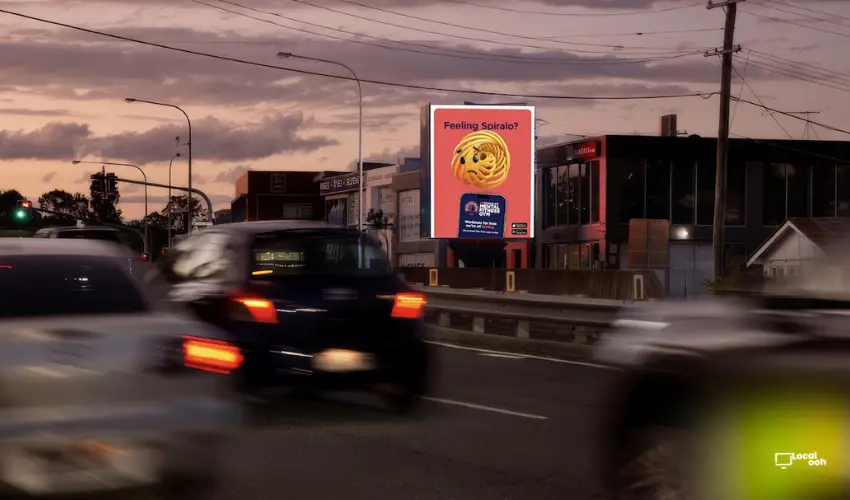
- High speed roads → ultra-simple creative, large typography, one idea
- Slow traffic corridors → richer messaging, offers, QR codes
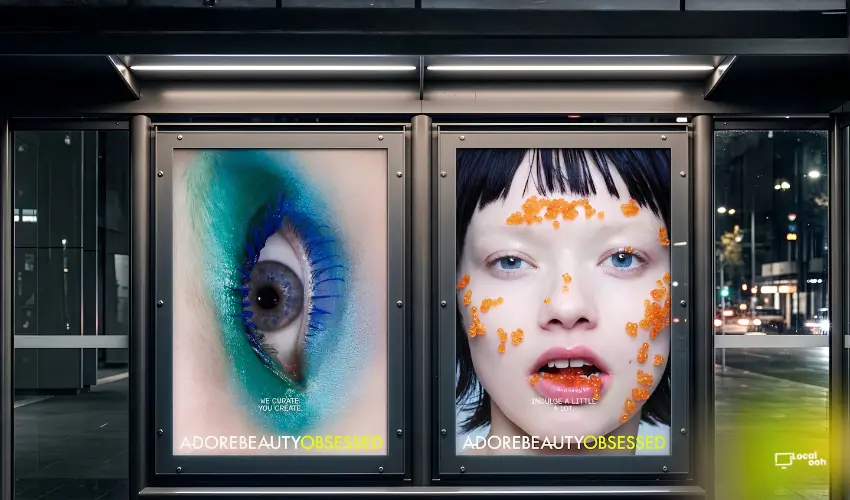
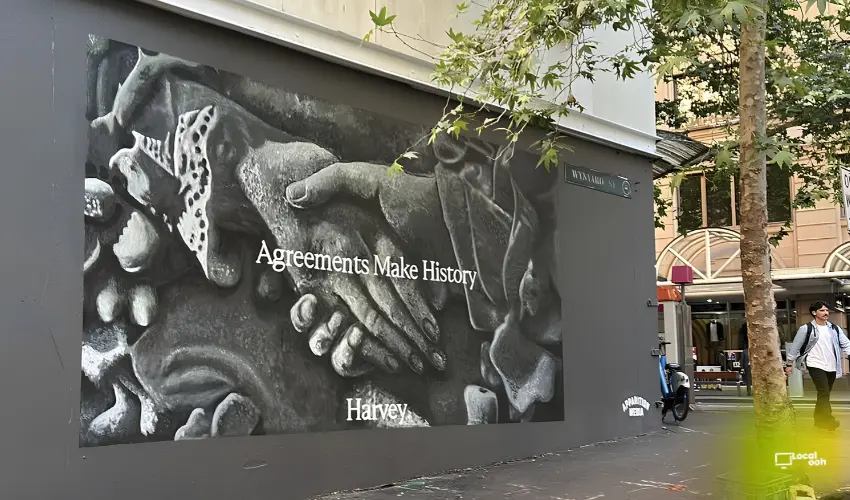
- Pedestrian zones → storytelling, detail, sequential creatives
2) Plan for dwell time, not just location
A smaller unit in a stoplight queue can outperform a larger unit at 65 mph—depending on your objective.
3) Buy “moments” with intent
OOH attention is strongest when the environment aligns with the message:
- Fitness near gyms and parks
- Travel near airports and commuter hubs
- QSR near food corridors and transit transfers
4) Reduce clutter and increase contrast
Even premium locations can underperform if the visual field is overloaded. Attention-based planning favors units with:
- clean sightlines
- dominant share of view
- minimal competing signage
How to operationalize attention in DOOH
DOOH makes attention planning easier because you can:
- Daypart for high-dwell windows
- Run motion only when it helps (not always)
- Rotate creatives to avoid fatigue
- Concentrate spend where attention is highest (commute, weekends, events)
The measurement mindset shift
Impressions tell you “potential.” Attention tells you “probable.” In 2026, planning will increasingly combine:
- audience measurement (reach/frequency)
- attention proxies (dwell + visibility + context)
- outcome KPIs (search, site traffic, visitation)
Bottom line
OOH wins when it earns real viewing time. Plan for attention, and impressions become more valuable automatically.


Comments (0)
Join the conversation. Keep it respectful and on-topic.