
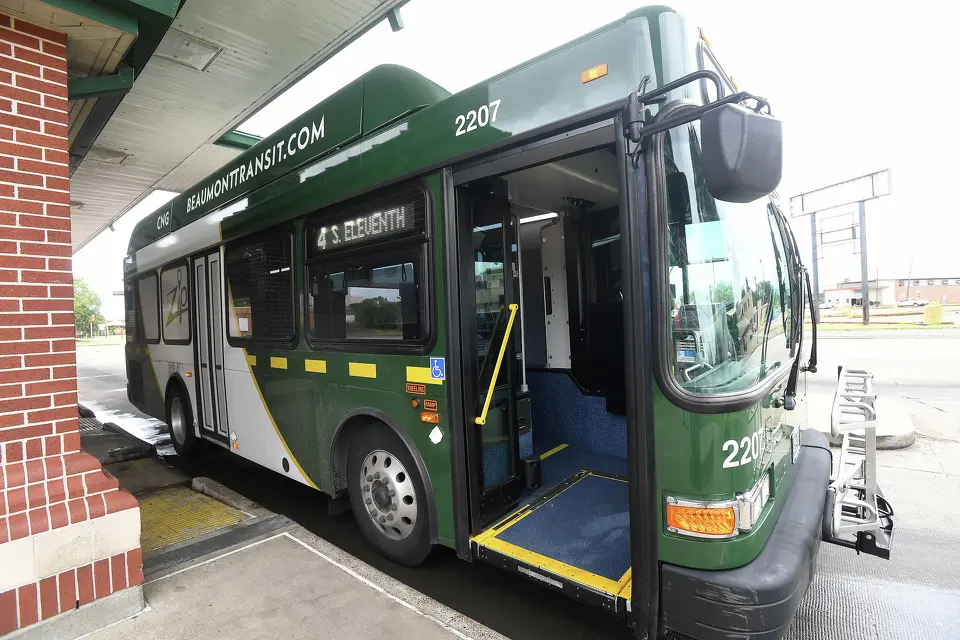
Quick Answer: Beaumont’s City Council approved a new transit advertising program that allows ads on city buses and vans, with revenue earmarked specifically for bus stop upgrades—including shelters, lighting, and seating.
This is transit OOH positioned not just as media inventory, but as a funding mechanism for rider experience.
Transit advertising as a civic tool
Rather than framing advertising as a standalone revenue play, Beaumont has tied monetization directly to visible public benefit.
The logic is straightforward: if advertising exists in the transit system, it should help improve the places where riders actually wait and board.
That approach reflects a growing trend among mid-sized U.S. cities, where transit OOH is increasingly justified through infrastructure reinvestment.
What the city approved
The Beaumont City Council unanimously approved advertising packages for the city’s transit system, known as Zip.
The program enables:
- Interior advertising on buses and vans
- Exterior advertising on transit vehicles
- A defined policy framework governing ad categories and placement
Crucially, proceeds from the program are directed toward bus stop improvements rather than general operating funds.
Why this model is gaining traction
Across the U.S., cities are increasingly linking OOH policy to outcomes that residents can see and feel.
Transit advertising programs are often justified when they support:
- Improved safety through better lighting
- Weather protection via shelters
- Basic rider comfort such as benches and seating
- Long-term transit system sustainability
When ad revenue is transparently reinvested, public resistance tends to decrease—especially when upgrades are visible.
Brand safety by policy design
Another advantage of municipal transit OOH programs is control.
Because cities typically restrict certain content categories, the resulting inventory is often brand-safe by default.
For advertisers, that creates a more predictable environment. For cities, it reduces reputational risk while still unlocking revenue.
What this means for local advertisers
Transit OOH in markets like Beaumont offers:
- High-frequency exposure among daily commuters
- Strong community association with public benefit
- Local relevance without highway-scale budgets
As more cities adopt similar models, transit advertising is likely to play a larger role in local and regional media planning.
FAQs
Where will the ads appear?
On both the interior and exterior of Beaumont transit buses and vans.
What will the advertising revenue be used for?
Revenue will fund bus stop enhancements, including shelters, lighting, and benches.
Why are cities approving transit advertising now?
Because it provides a way to fund infrastructure improvements without raising fares or taxes—while keeping strong policy control.
Bottom line
Beaumont’s transit advertising approval shows how local governments are reframing OOH as infrastructure support, not just media space.
When advertising dollars visibly improve rider experience, transit OOH becomes easier to approve, easier to defend, and more valuable to both cities and brands.









Comments (0)
Join the conversation. Keep it respectful and on-topic.