
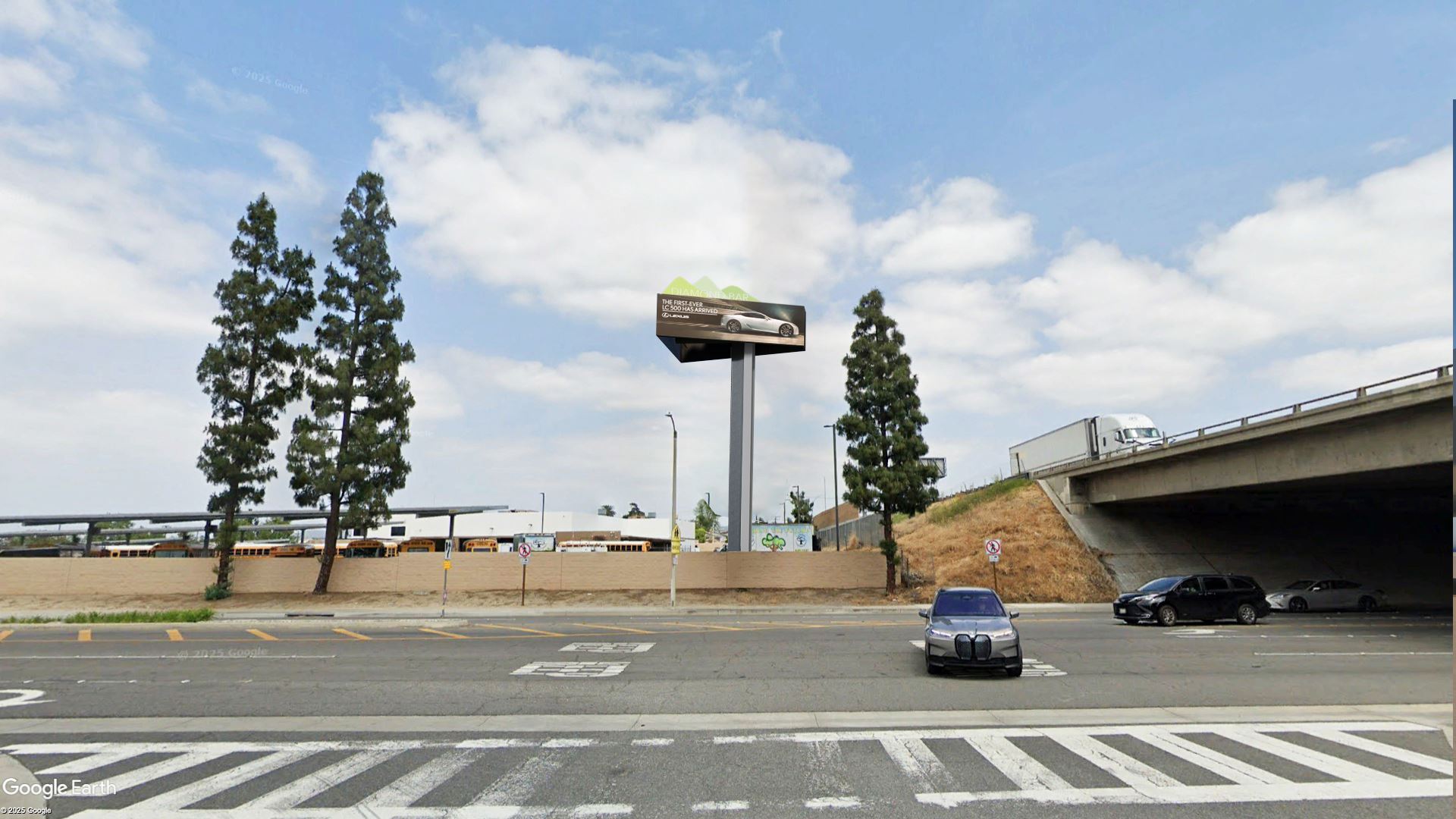
Quick Answer: The Diamond Bar City Council approved the first reading of an ordinance that establishes a formal regulatory framework for billboards in Light Industry (I) zones, including technical standards such as brightness control, dimming, and minimum image hold times.
This is a textbook example of how most modern DOOH growth actually happens: through policy design, not unchecked expansion.
Policy as the real driver of DOOH growth
While digital out-of-home is often discussed in terms of technology or creative, its real growth engine is regulation.
Diamond Bar’s approach reflects a broader municipal strategy: define where digital billboards can exist, establish clear performance standards, and manage the category proactively rather than reactively.
By codifying expectations upfront, the city reduces uncertainty for operators, advertisers, and residents alike.
What the ordinance puts in place
According to city materials, the ordinance focuses specifically on Light Industry (I) zoning areas.
Rather than opening the door citywide, Diamond Bar is limiting billboard activity to zones where commercial and industrial uses already dominate, reducing potential land-use conflict.
The framework is being implemented through a formal ordinance process, supported by environmental and public notice documentation.
Why technical standards matter
One of the most important elements of the ordinance is not location—but control.
City documentation references standards such as:
- Brightness and dimming requirements
- Minimum image hold times for digital displays
- Operational thresholds designed to reduce visual impact
These rules are designed to minimize distraction, glare, and resident complaints, while still allowing DOOH to function effectively as a media format.
For operators, this kind of clarity is critical. Predictable rules mean:
- Lower approval risk
- Clear compliance expectations
- Longer-term asset stability once permitted
Why this matters beyond Diamond Bar
Many cities are moving away from blanket bans or ad-hoc approvals. Instead, they’re adopting zone-based frameworks with technical guardrails.
Diamond Bar’s ordinance reflects that evolution:
- Limited geography
- Defined performance standards
- A formal legislative pathway
For media planners and operators, this signals that future DOOH inventory will increasingly live inside tightly governed environments— where scarcity, compliance, and longevity define value.
FAQs
Where are billboards being regulated in Diamond Bar?
Within designated Light Industry (I) zones.
What types of standards are included?
Controls for brightness and dimming, as well as minimum image hold times for digital displays.
Why do cities adopt these standards?
To reduce visual impact, improve safety, and create predictable compliance while still allowing economic activity through OOH.
Bottom line
Diamond Bar’s billboard ordinance shows how cities are shaping the future of DOOH: not by saying “yes” or “no,” but by defining how the medium is allowed to exist.
As more municipalities follow this path, DOOH growth will continue to be policy-led, zone-specific, and standards-driven.


Comments (0)
Join the conversation. Keep it respectful and on-topic.