
Categories: Hyperlocal OOH • Mobile DOOH • City Media
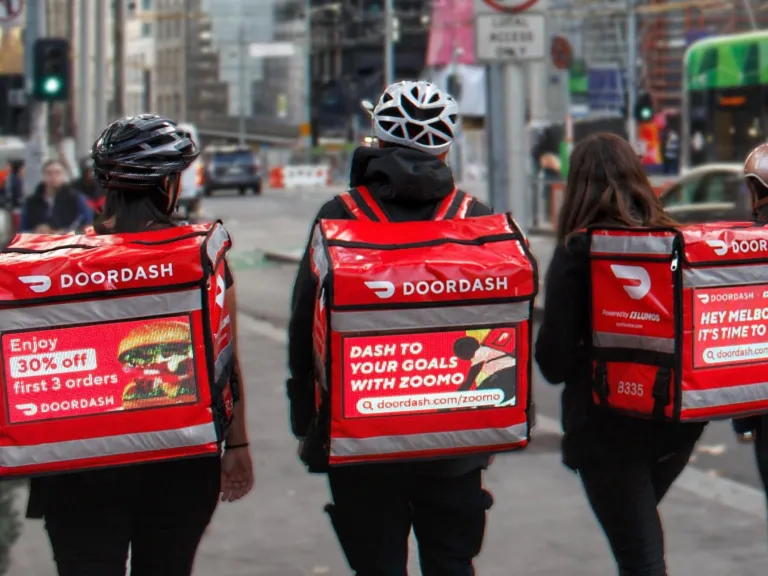
Quick take: MetroMesh Media says it will deploy 250 additional mobile OOH/DOOH units starting January 2026—bringing the NYC network to 300 live displays across the five boroughs.
Why “hyperlocal” is getting real in 2026
Traditional OOH is amazing at scale—highways, big arterials, landmark locations. But it struggles with micro-neighborhood coverage, especially where billboards don’t exist or can’t be built.
MetroMesh’s pitch is simple: take OOH into places where classic inventory is limited—using mobility-based distribution to unlock neighborhood-level presence. OOH Today reports the expansion will give brands “citywide access” beyond traditional billboard reach.
What makes mobile DOOH strategically interesting
This format changes what planners can do:
- Activate borough-by-borough or even block clusters
- Align messaging to real city rhythms (commute windows, weekend neighborhoods)
- Use location intelligence to turn “NYC” into multiple distinct micro-markets
MetroMesh also positions itself as a micromobility network with GPS/IoT targeting and long daily runtime—framing the product as more dynamic than static placements.
What to watch next
- Proof of consistency: routes, time-in-zone, frequency, and how reporting is packaged for buyers
- Channel expectations: whether buyers treat it like OOH or like digital with outdoor characteristics
- Creative adaptation: shorter copy, stronger brand codes, and higher contrast for “moving placements”
Bottom line
Mobile DOOH is one of the clearest answers to the biggest hyperlocal gap in OOH: neighborhood presence where permanent inventory is limited. If MetroMesh can prove consistent delivery at scale, this format becomes a legitimate planning layer for NYC—especially for brands that need coverage below the DMA level.

Comments (0)
Join the conversation. Keep it respectful and on-topic.