

Quick Answer: San Antonio’s two-year Digital Media & Arts pilot—allowing up to 10 large-format digital signs—is drawing strong interest, with 13 proposals reported. The response highlights how U.S. cities are experimenting with “entertainment district” digital models that blend DOOH, public art, and revenue sharing.
San Antonio’s initiative is more than a local zoning story. It’s a preview of a broader shift in how cities are approaching digital media in dense urban cores: not as traditional billboards, but as a city-sanctioned media layer.
A new model: digital districts instead of standalone billboards
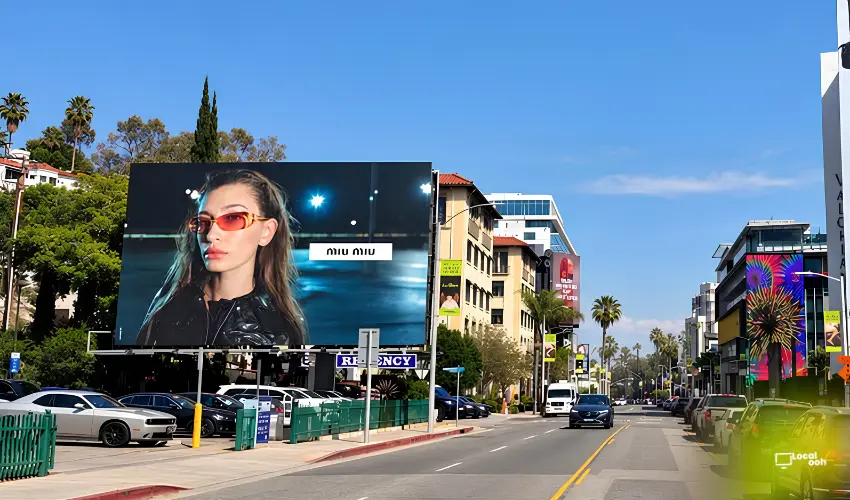
The pilot reflects a growing pattern across U.S. metros. Rather than allowing unlimited digital signage, cities are testing controlled districts where large-format digital displays are treated as part of the urban experience.
These environments operate closer to Times Square–style logic: high visibility, strong design controls, and explicit public benefit expectations.
The pilot structure (and why constraint creates value)
City documentation outlines a tightly defined program:
- Two-year pilot period
- Maximum of 10 digital signs citywide
- Specific design, placement, and review requirements
- A defined start window and approval process
These constraints are intentional. Limiting duration and quantity allows the city to test economic impact, public reaction, and design outcomes—while preserving leverage over quality and placement.
Why the proposal volume matters
Thirteen proposals competing for ten slots is a signal—not a coincidence.
When demand exceeds supply, premium inventory is created. That competition:
- supports stronger pricing dynamics
- encourages better design and integration
- reduces the risk of visual clutter
Reports also note active review around placement, guidelines, and compliance, reinforcing that this is not an open-ended signage program, but a curated urban media initiative.
What this signals for 2026 DOOH in U.S. metros
San Antonio’s pilot aligns with what many planners should expect next:
- District-based DOOH logic rather than scattered placements
- Façade-integrated digital tied to architecture
- Negotiated revenue and public-benefit components
- Stricter design review and approval processes
For brands and media owners, this means fewer screens—but higher impact, longer-term certainty, and stronger alignment with city goals.
Why San Antonio matters as a case study
San Antonio is testing how digital media can coexist with culture, tourism, and civic identity.
By framing the pilot around Digital Media & Arts, the city is explicitly positioning large-format DOOH as part of placemaking—not just advertising.
If successful, this model is likely to be replicated, especially in downtowns looking to drive foot traffic, nighttime activity, and incremental revenue.
FAQs
How long is the Digital Media & Arts pilot?
The pilot is scheduled to run for two years.
How many digital signs are allowed?
The program is limited to 10 digital signs citywide.
Why are cities using pilot programs for DOOH?
Pilots allow cities to test economic, visual, and community impact before committing to permanent policy changes.
Bottom line
San Antonio’s Digital Media & Arts pilot shows where large-format DOOH policy is heading in the U.S.: controlled scale, defined districts, and clear public value.
For 2026 planning, the takeaway is clear: premium digital inventory will increasingly live inside city-approved frameworks—where scarcity, design, and governance drive long-term value.

Comments (0)
Join the conversation. Keep it respectful and on-topic.