
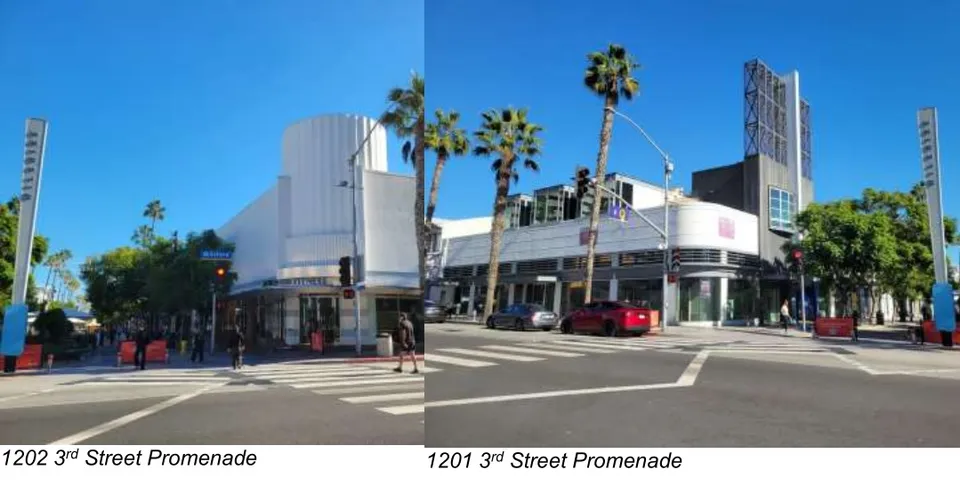
Quick Answer: Santa Monica has advanced a Digital Display District ordinance enabling up to 16 large-format digital displays around Third Street Promenade and Santa Monica Place. Each display is capped at 1,000 square feet and must be approved individually through development agreements.
Santa Monica’s decision is more than a signage update. It’s a clear example of how cities are redefining the rules around digital media as budget pressure, downtown recovery, and urban experience increasingly intersect.
What was approved
The ordinance establishes a designated Digital Display District covering key downtown retail corridors, including Third Street Promenade and the Santa Monica Place area.
Within the district:
- Up to 16 digital displays are permitted in total
- Each display is limited to 1,000 sq ft
- Every installation requires its own development agreement
This is not a blanket approval. Each screen must still pass a negotiated review process, giving the city control over placement, design, and conditions.
Why this is bigger than signage
The ordinance isn’t simply about adding screens. It creates a governance framework for premium digital media in dense urban environments.
Key elements of that framework include:
- Controlled geography – screens are confined to a defined district
- Controlled scale – size caps prevent visual overload
- Negotiated approvals – development agreements often tied to public-benefit tradeoffs
For cities, this approach balances revenue opportunities with aesthetic standards and community oversight. For media owners, it creates long-term, defensible inventory.
What this means for DOOH and media planning
As more cities adopt district-based digital policies, media planning will increasingly shift toward defined impact zones.
In these zones:
- Inventory is intentionally scarce
- Visibility is predictable and curated
- Approvals imply longevity rather than short-term experimentation
That changes how value is assessed. Screens aren’t interchangeable units anymore—they’re part of a controlled urban media system with policy-backed limits.
Why Santa Monica matters as a case study
Santa Monica is a high-profile, high-traffic coastal city with strong tourism, retail, and civic identity. Its willingness to formalize a Digital Display District signals how even visually sensitive markets are adapting to DOOH— on their own terms.
For planners, this is an early look at how premium urban DOOH may increasingly be packaged: fewer screens, clearer rules, and higher strategic value.
FAQs
How many digital displays are allowed?
Up to 16 digital displays across the district.
Where is the Digital Display District located?
Around Third Street Promenade and Santa Monica Place in downtown Santa Monica.
How large can each display be?
Each display is capped at 1,000 square feet.
Are the displays automatically approved?
No. Each display requires an individual development agreement and must go through a separate approval process.
Bottom line
Santa Monica’s Digital Display District shows where urban DOOH policy is heading: fewer screens, clearer governance, and higher-impact placement.
For brands and planners, the takeaway is simple: the future of premium digital isn’t unlimited inventory— it’s carefully controlled visibility inside cities that matter.



Comments (0)
Join the conversation. Keep it respectful and on-topic.