
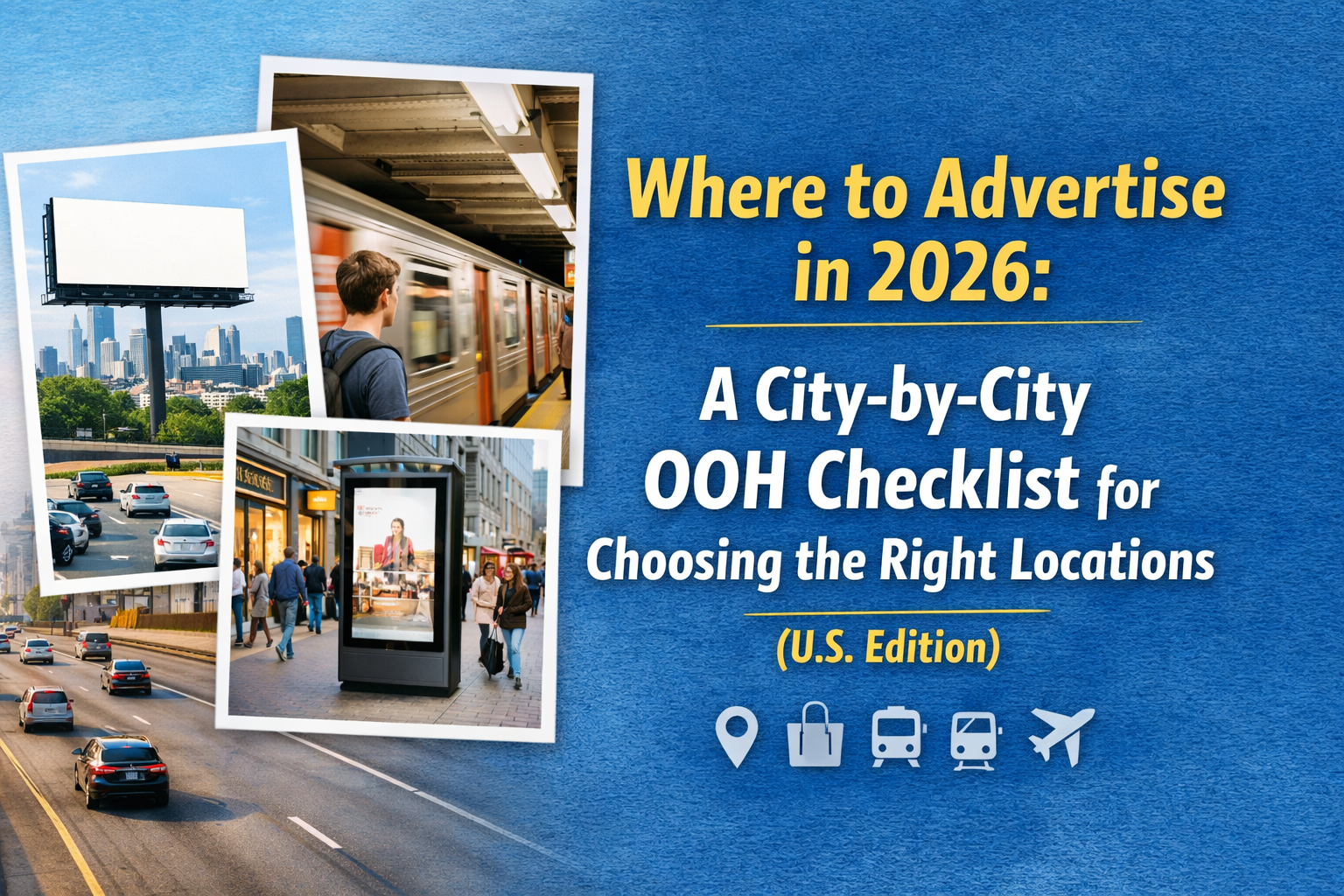
Quick Answer: The strongest OOH plans don’t start with formats—they start with environments. Commuter corridors, retail clusters, transit dwell, airports, and neighborhood microzones all behave differently. This checklist helps you choose locations that actually match your objective.
OOH isn’t one channel. It’s a collection of environments.
Choose the wrong environment and even great creative gets wasted. Choose the right one and average creative still performs.
Step 1: Start with the objective
Before looking at maps or availability, get clear on what the campaign must do.
- Brand awareness: Reach and frequency along commuter routes and daily travel corridors
- Local demand: Hyperlocal placements near retail clusters and points of purchase
- Performance: Dwell-time environments paired with clear prompts
- Event or launch: Stadium zones, entertainment districts, and airports
Objective clarity prevents wasted impressions later.
Step 2: Pick the environment that fits
Across U.S. cities, six OOH environments consistently outperform when used correctly.
The six environments that reliably work
-
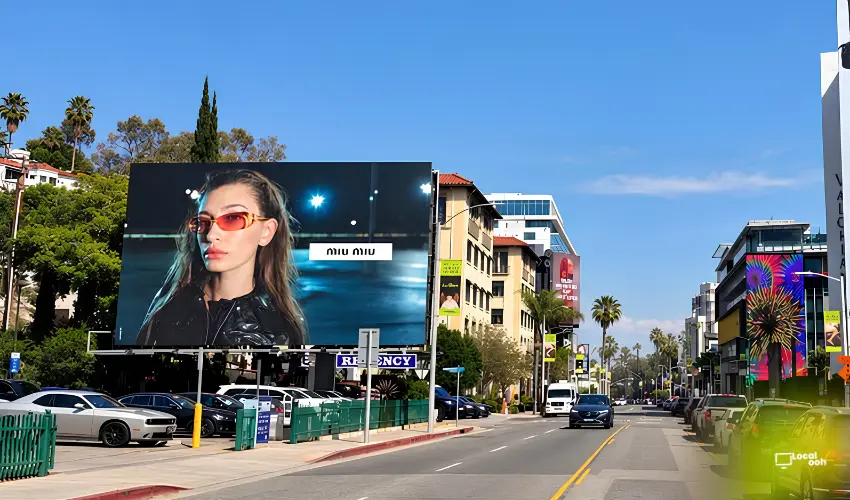
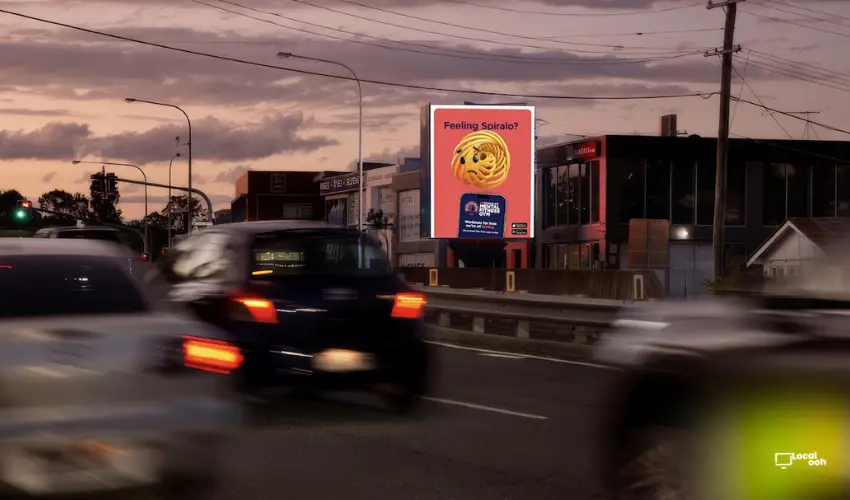
Commuter corridors
High repetition and routine-based exposure -
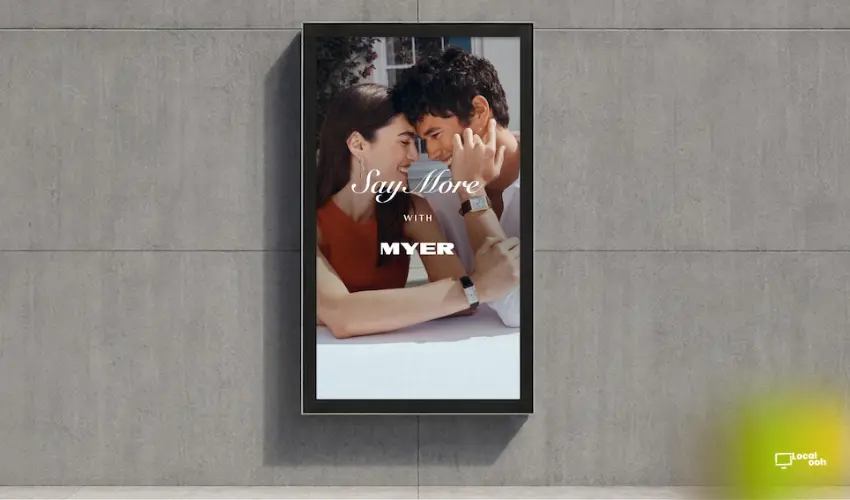
Retail clusters
Close to purchase decisions and last-mile intent -
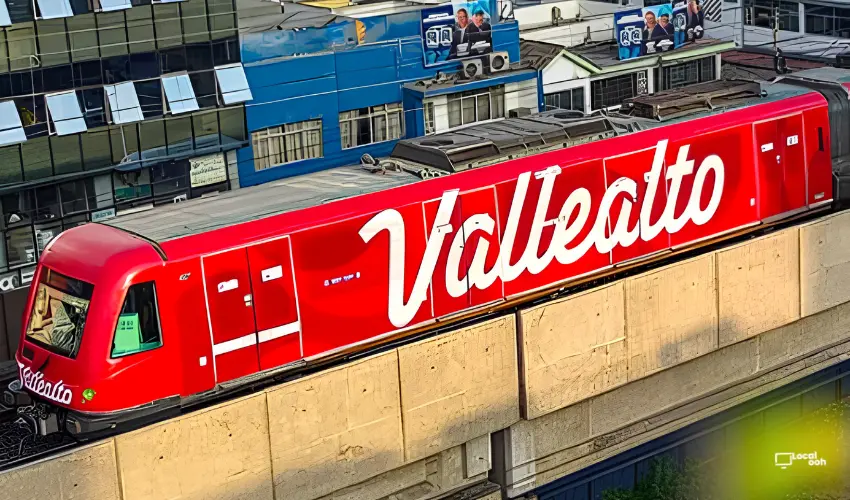
Transit dwell
Stops, platforms, shelters, and stations with real viewing time -
Airports
Premium attention, high dwell, and strong spending power -
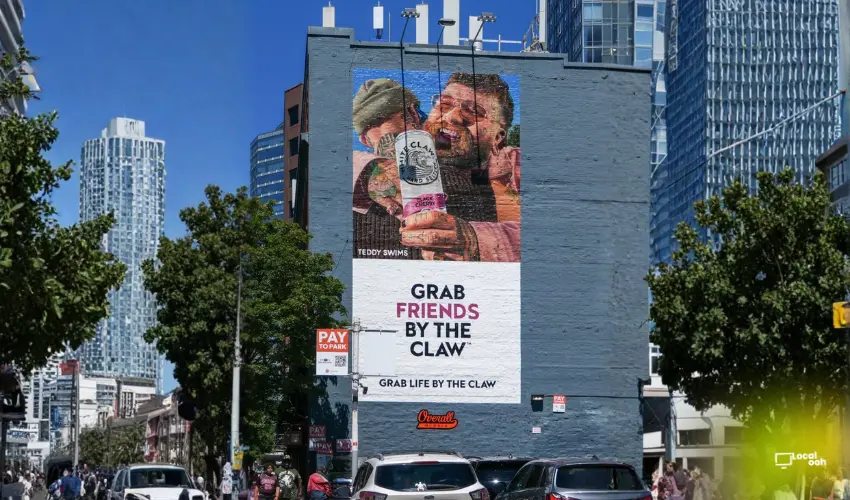
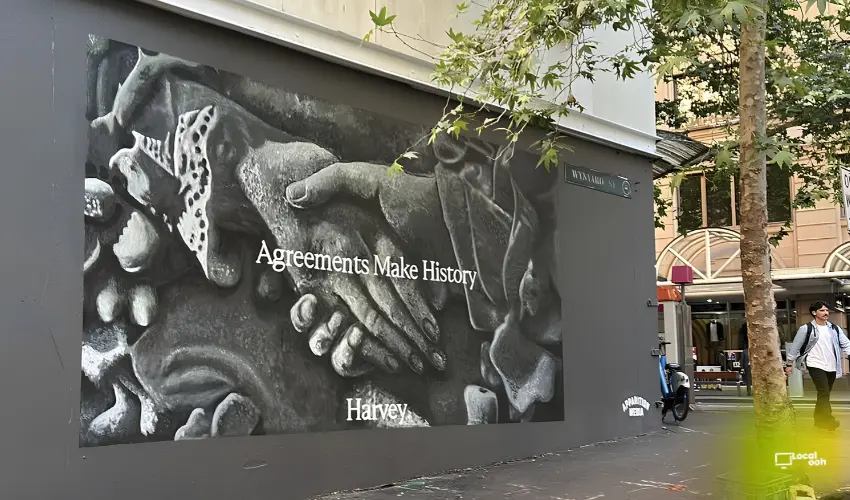
Downtown pedestrian zones
Foot traffic, shareability, and cultural relevance -
Neighborhood microzones
Hyperlocal relevance and repeated community exposure
Step 3: Build a coverage map—not a location list
The best OOH plans don’t look like spreadsheets. They look like systems.
Strong coverage maps combine:
- Corridor dominance with neighborhood reinforcement
- “Arrival points” paired with “decision points”
- Repeated exposure across a weekly routine
Coverage beats novelty. One great board rarely outperforms consistent presence.
Step 4: Use this copy-paste planning checklist
- Who is the audience, and what route do they repeat weekly?
- Is this a speed environment or a dwell environment?
- Do we need dominance (roadblock) or precision (hyperlocal)?
- What is the one thing they must remember after one glance?
- What action do we expect—search, visit, install, buy?
- Are we measuring lift using a control market or geo test?
- Is the creative built for distance, glare, motion, and speed?
If you can answer these clearly, the location choice usually becomes obvious.
FAQs
Should I start with billboards or transit?
Start with objective and audience behavior. Commuters favor billboards. Dwell time and prompts favor transit and retail environments.
How many locations do I actually need?
Enough to create repeat exposure inside the same routine. Coverage matters more than finding one “perfect” board.
What’s the biggest location mistake?
Buying locations that look impressive but aren’t part of your audience’s weekly movement patterns.
Bottom line
OOH performance doesn’t come from formats alone. It comes from choosing environments that align with how people actually move through cities.
When location strategy is right, everything else gets easier.




Comments (0)
Join the conversation. Keep it respectful and on-topic.