
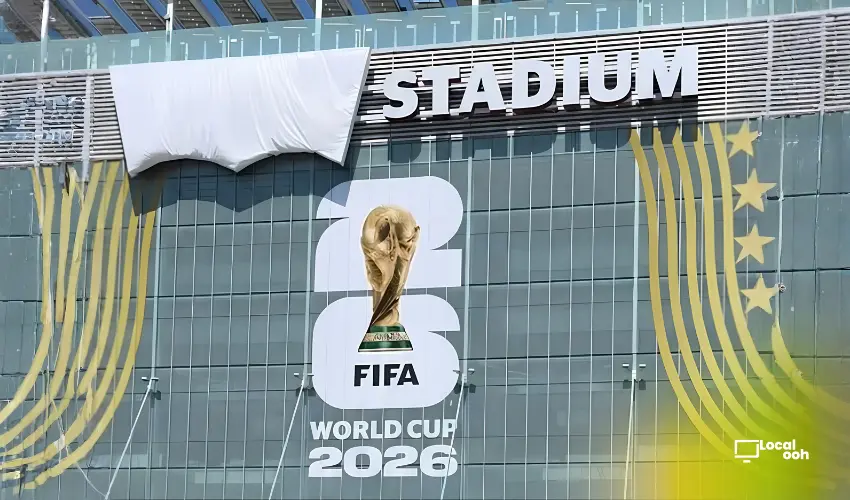
Quick answer: As FIFA removes non-sponsor branding from World Cup stadiums, Levi's has turned the temporary covering of its stadium logo into a clever marketing opportunity, proving that strong brand assets remain recognizable even when hidden.
When A Covered Logo Creates More Attention
The FIFA World Cup 2026 has generated headlines both on and off the pitch. While football remains the main attraction, another story has emerged around the tournament's strict sponsorship rules.
To protect the exclusivity of official partners, FIFA has required non-sponsor brands to remove or conceal their presence from host stadiums across the United States, Canada and Mexico.
For most brands, the move meant disappearing from view. For Levi's, it became an unexpected marketing opportunity.
FIFA's Clean Venue Policy
FIFA's objective is to ensure that only official sponsors receive visibility within tournament venues.
As a result, several iconic stadiums have been temporarily renamed for the duration of the competition.
Gillette Stadium became Boston Stadium, Mercedes-Benz Stadium became Atlanta Stadium, and MetLife Stadium was renamed New York New Jersey Stadium.
Levi's Stadium in Santa Clara also received a temporary new identity: San Francisco Bay Area Stadium.
The policy extends beyond names. Stadium branding and sponsor logos visible on buildings must also be covered or removed wherever possible.
The Levi's Logo That Refused To Disappear
While many stadium logos vanished beneath white coverings, Levi's found itself in a unique position.
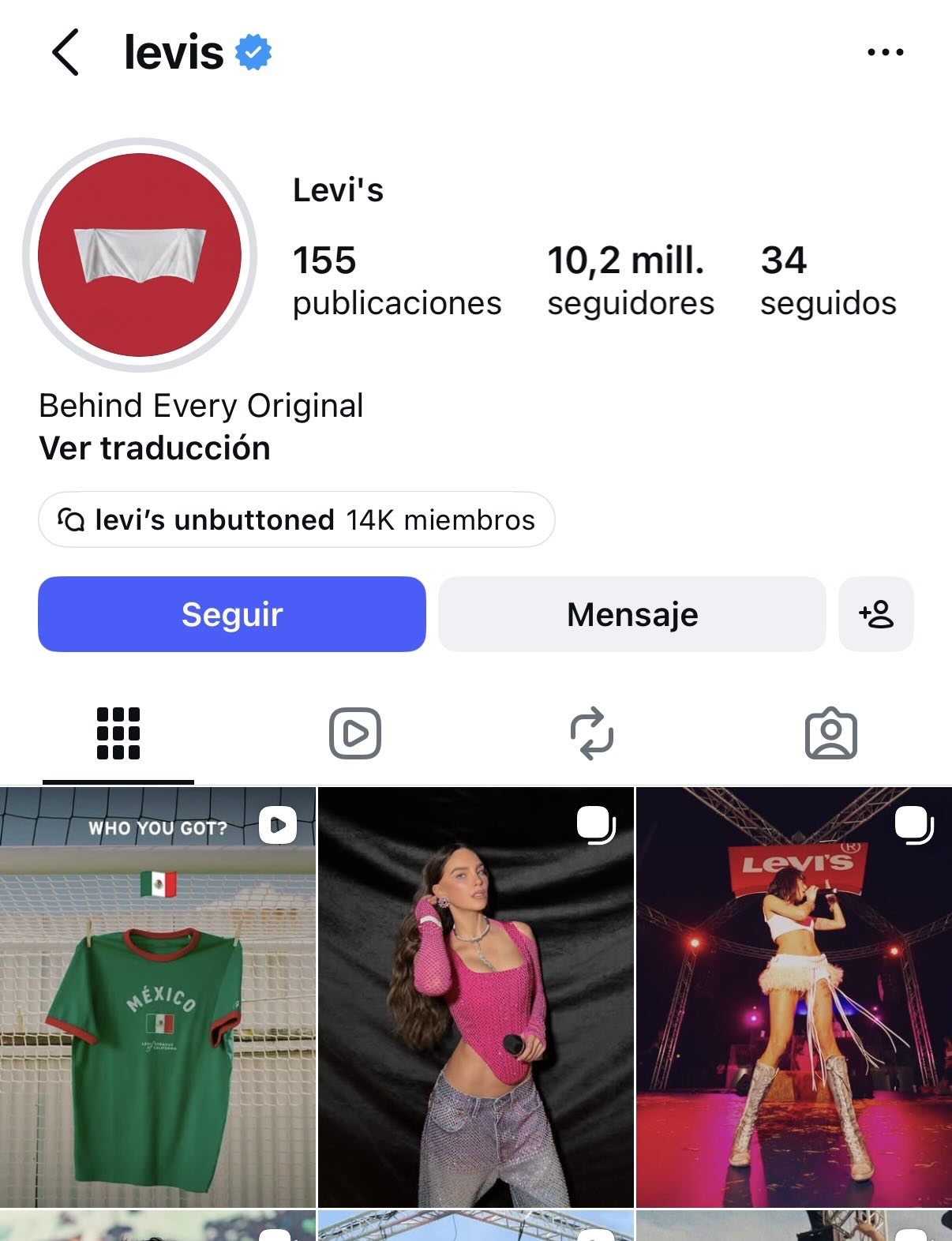
The brand's iconic "batwing" logo shape remained recognizable even after being covered with large white sheets.
Although the Levi's name was hidden, the silhouette itself was enough for people to immediately identify the brand.
The result became one of the most talked-about examples of visual branding during the tournament.
Turning Restrictions Into Publicity
Rather than viewing the situation as a setback, Levi's actively embraced it.
The company shared photos and videos of the covered stadium branding across social media, drawing attention to the irony that its identity remained obvious despite FIFA's efforts to conceal it.
One post humorously welcomed visitors to the "beautiful [redacted] stadium," highlighting the absurdity of hiding a logo that everyone could still recognize.
The brand effectively transformed a sponsorship restriction into earned media and online conversation.

The Power Of Distinctive Brand Assets
The campaign serves as a masterclass in brand building.
For decades, Levi's has invested in creating visual assets that consumers instantly associate with the company, regardless of whether the name appears.
The famous red tab, the batwing shape and other signature design elements have become powerful identifiers in their own right.
This World Cup moment demonstrated that strong branding is not just about logos—it is about creating recognizable assets that work even when the logo disappears.
A Lesson In Real-Time Marketing
The situation was not created by Levi's, yet the brand reacted quickly and intelligently.
By joining the conversation and leaning into the unexpected visibility generated by the covered logo, Levi's demonstrated how brands can capitalize on cultural moments without purchasing additional media space.
The campaign shows that sometimes the most effective marketing opportunities arise from circumstances outside a company's control.
Why This Campaign Works
- Transforms a branding restriction into a communication opportunity.
- Demonstrates the power of distinctive brand assets.
- Generates organic social media conversation.
- Leverages a global sporting event for visibility.
- Turns an operational challenge into positive brand exposure.
While FIFA's goal was to remove non-sponsor branding from World Cup venues, Levi's proved that truly iconic brands do not disappear so easily. By embracing the moment, the company turned a covered logo into one of the tournament's most memorable branding stories.

Comments (0)
Join the conversation. Keep it respectful and on-topic.