
Quick Answer: Clear Channel Outdoor’s new CapMetro partnership signals a real shift for Austin: transit advertising is moving from “static placements” to a more modern, DOOH-ready network that brands can plan, package, and scale with more confidence. In 2026, that matters because transit is one of the few OOH environments that can reliably deliver frequency—the ingredient that turns awareness into memory.
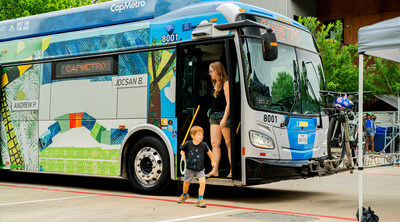
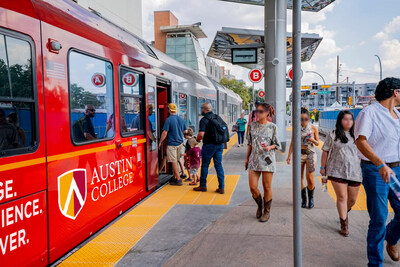
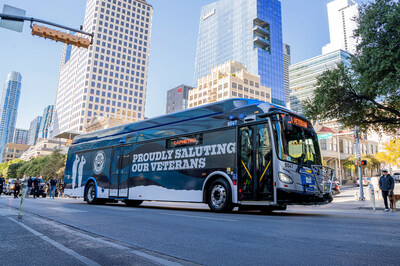
On January 27, 2026, Clear Channel Outdoor announced a partnership to modernize transit advertising across Austin through CapMetro. The press release highlights the size of the footprint and the opportunity to connect with residents, commuters, and visitors in one of America’s fastest-growing markets. Under the multi-year agreement, the network includes 400+ buses across 71 routes and advertising across 10 rail stations, collectively reaching more than two million monthly riders. (Source: Clear Channel Outdoor / CapMetro partnership announcement.)
Why transit is a 2026 growth engine
1) Transit delivers frequency (the missing ingredient)
Billboards often win on instant visibility. Transit wins on repetition. Buses, stations, and rail corridors sit inside routine—morning commutes, evening returns, neighborhood loops—so the message is seen again and again. That repetition is how brands build recall without needing a single “hero board” to do all the work.
2) Austin is a movement city
Austin has predictable flows through downtown, entertainment districts, and commuter corridors, plus tourism and event spikes that compress attention into specific routes and nodes. Transit media becomes a practical way to stay continuously present—especially when premium roadside inventory is either constrained or priced for dominance.
3) Modernization unlocks better creative and planning
When a transit system upgrades, it becomes easier to schedule, package, and integrate into broader OOH plans. That typically means combining always-on static for continuity with DOOH components for rotating messages, dayparting, and tactical updates (offers, event reminders, new openings, and time-sensitive calls to action).
How advertisers should use this in campaigns
- Brand awareness: Pair stations + high-traffic routes for broad commuter reach and weekly repetition.
- Local retail and QSR: Use neighborhood routes to reinforce nearby store presence and “close-to-purchase” intent.
- Events: Run timed bursts before and after high-attendance weekends to intercept crowds on the move.
- Full-funnel: Use transit for frequency, billboards for fame, and mobile/search for capture and conversion.
Creative guidance for Austin transit in 2026
Transit rewards clarity. Assume a short viewing window and design for a fast read: one message, one benefit, one action. If DOOH is available, use it to rotate versions by daypart (AM commute vs. evening), by weekend vs. weekday, or by event timing—without losing the consistency of the footprint.
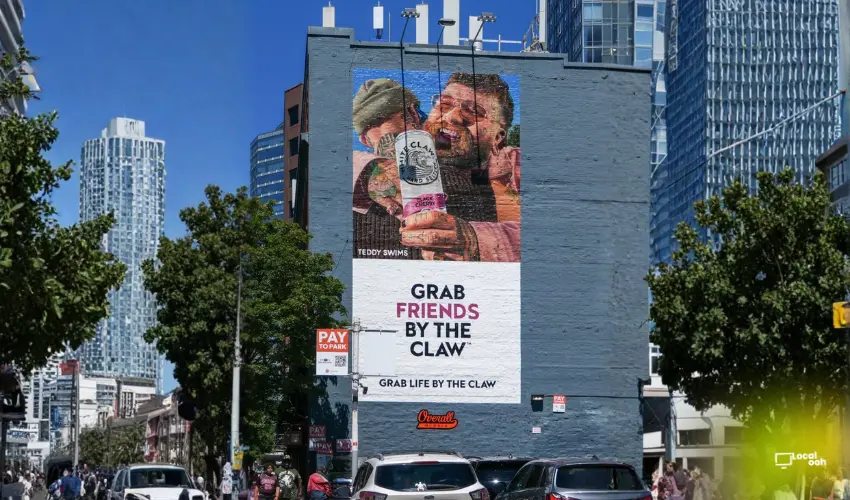
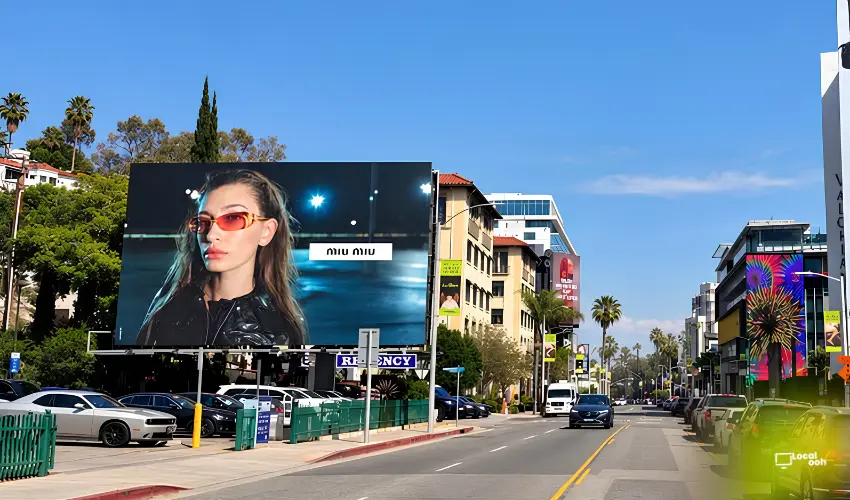
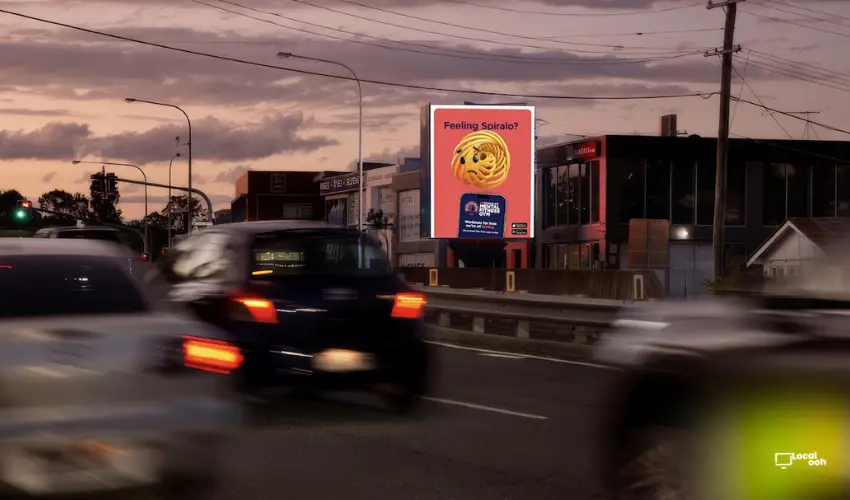
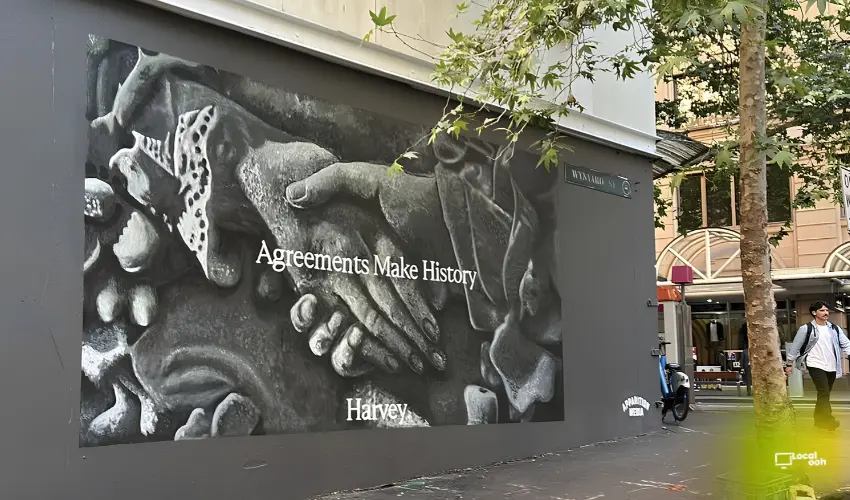
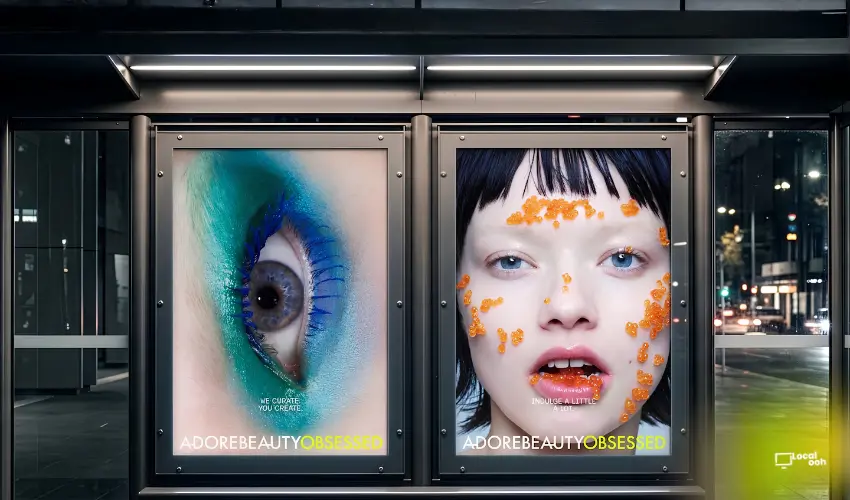
Images from the announcement
Bottom line
Transit is no longer “secondary OOH.” In 2026, it’s one of the smartest ways to buy consistent attention—especially in fast-growing cities where movement equals opportunity. The CapMetro partnership is a strong signal that Austin transit advertising is becoming easier to plan, easier to activate, and more compatible with DOOH-era buying.
Primary source: Clear Channel Outdoor investor release (Jan 27, 2026): “Clear Channel Outdoor to Modernize Transit Advertising Across Austin Through New CapMetro Partnership.”


Comments (0)
Join the conversation. Keep it respectful and on-topic.