
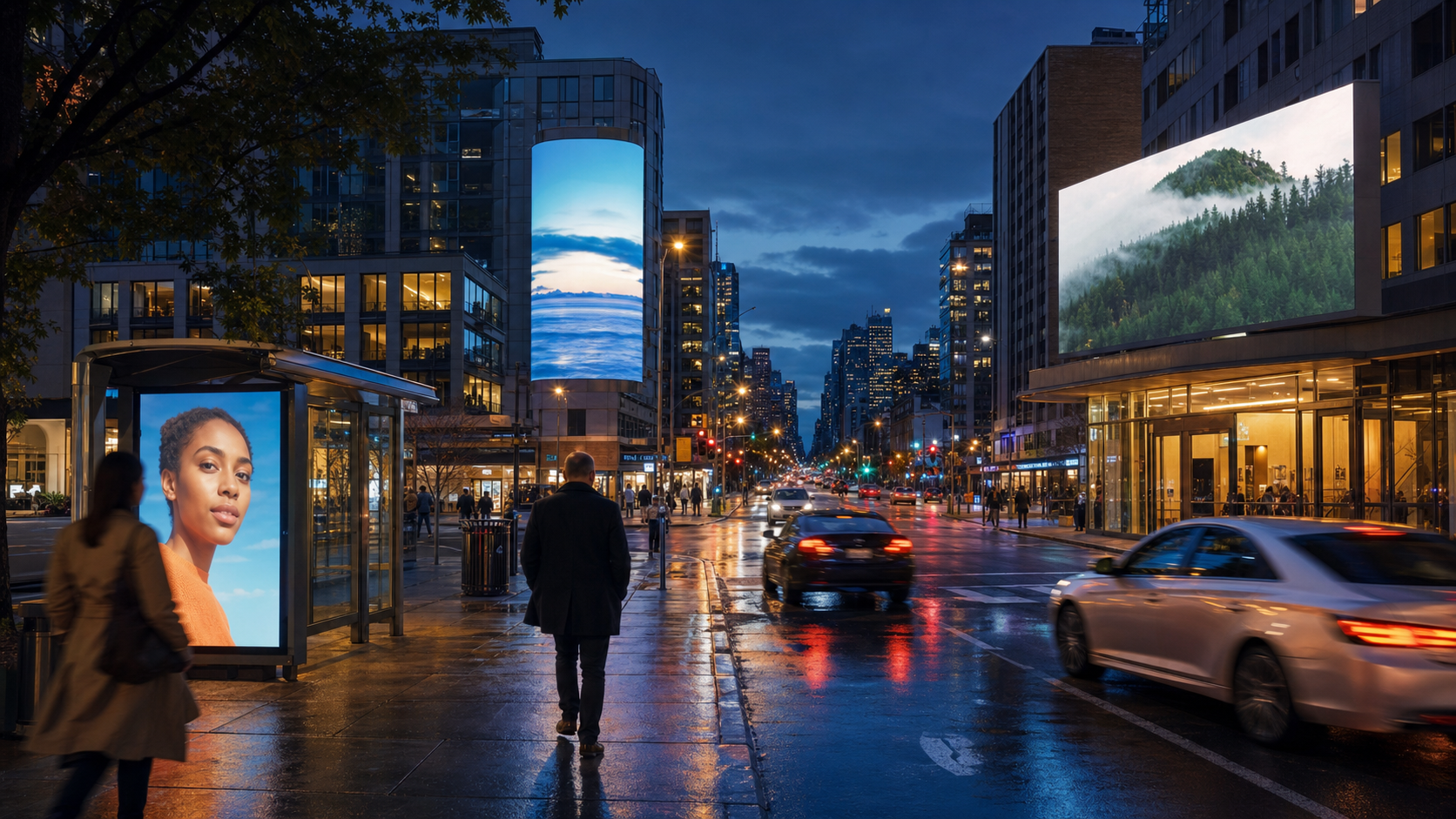
Quick answer: BIA now treats DOOH as a distinct local media category. This Local OOH guide explains how brands should translate that shift into practical city and trade-area plans.
The Forecast Shift Is Practical, Not Academic
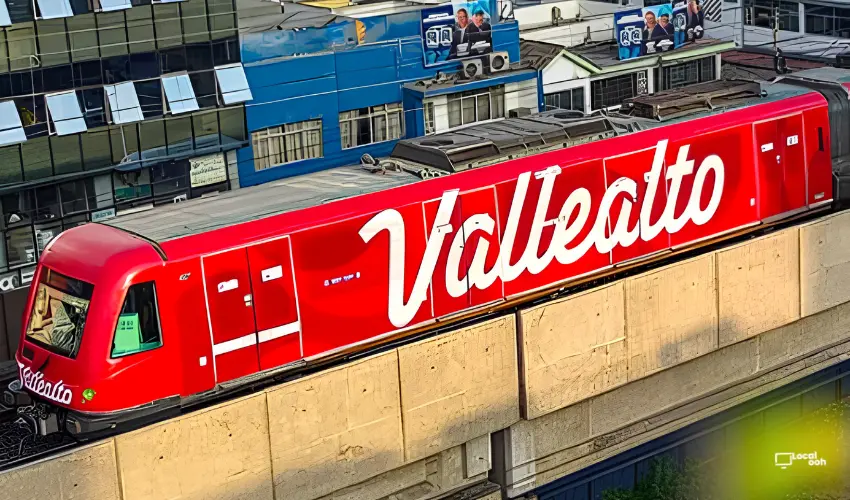
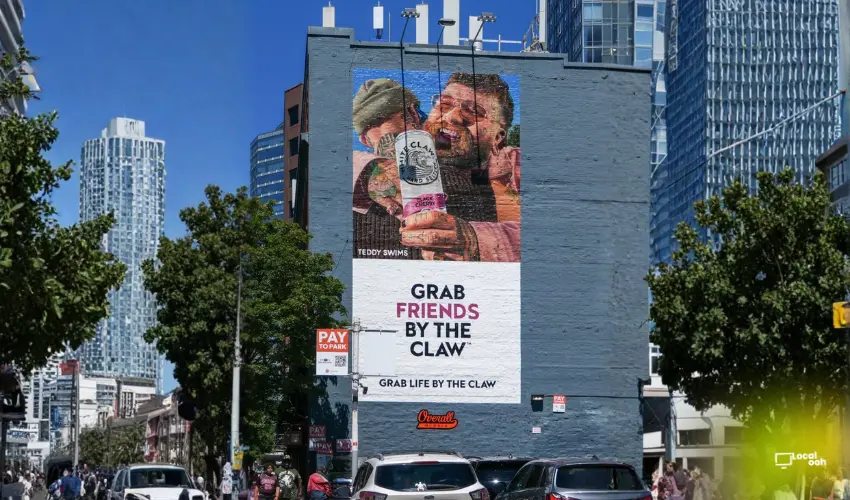
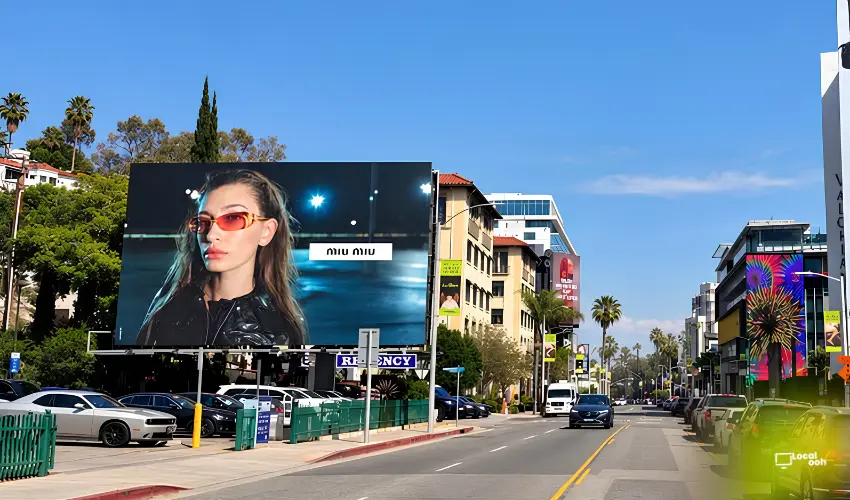
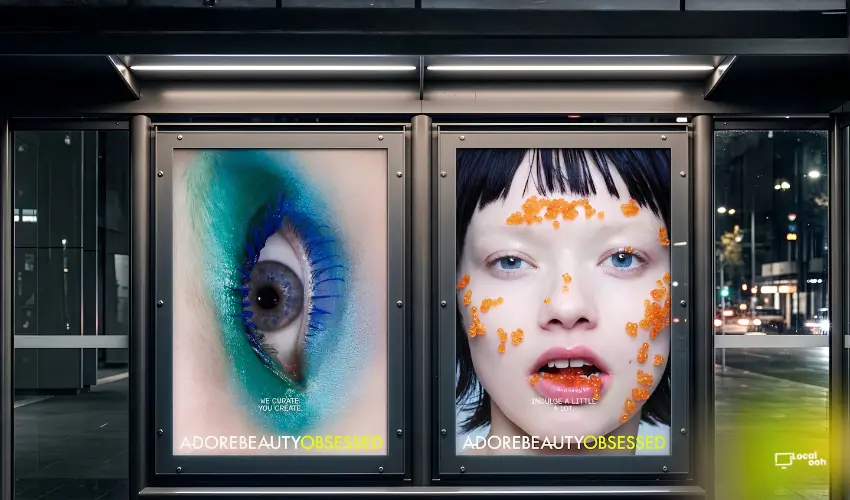
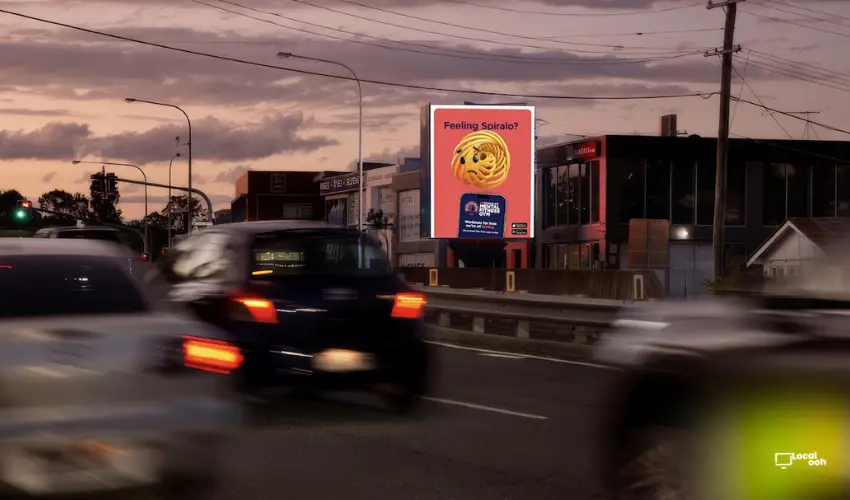
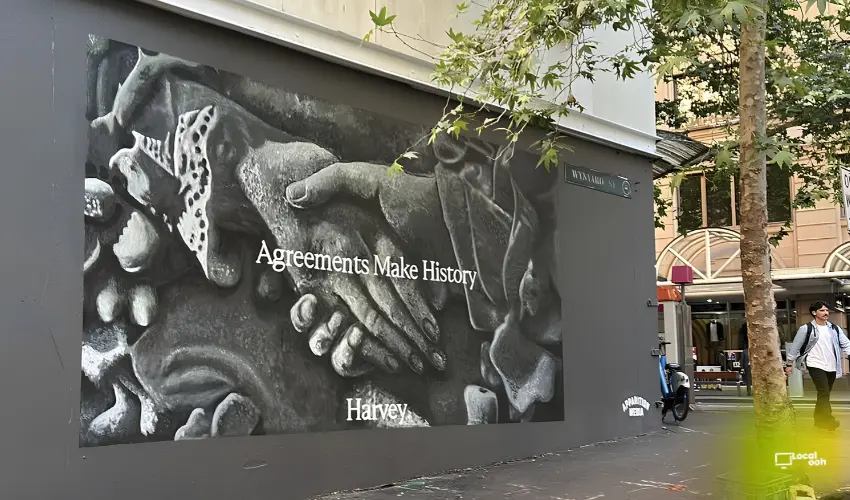
BIA's 2026 local advertising work highlights a larger, more digital local media market, and its methodology now separates Digital Out of Home from traditional OOH. For a local advertiser, that change matters because it reflects how campaigns are actually planned: static billboards, transit posters, retail screens, EV charging screens, and digital spectaculars do different jobs.
Plan Around Trade Areas, Not Generic Impressions
Local DOOH works best when the plan starts with real geography. A restaurant chain may care about lunch routes and retail centers. A healthcare group may care about commuter corridors and clinic radiuses. A university may care about campuses, transit, and parent travel patterns. The media plan should show why each zone matters, not just how many impressions it can produce.
Four Roles for Local DOOH
- Market proof: premium screens that make a brand look established.
- Routine frequency: commuter, transit, and neighborhood screens that repeat the message.
- Purchase proximity: retail, gas, grocery, pharmacy, and mall environments.
- Short-window activation: screens that can change for events, weather, promotions, or local demand spikes.
How to Budget It
Instead of asking whether DOOH is cheaper or more expensive than another channel, separate the budget into base presence, flexible digital inventory, and measurement. Base presence creates the market footprint. Flexible inventory lets the campaign react. Measurement proves whether the footprint created search, visits, calls, or sales support.
Local OOH Takeaway
The forecast signal is simple: local media is becoming more digital, but the most valuable customer moments are still physical. DOOH sits in that middle ground. Brands that plan by trade area and audience movement will get more value than brands that simply buy screens because the category is growing.
FAQs
Why does it matter that DOOH is tracked separately from OOH?
It gives local marketers a clearer view of digital screen growth instead of blending it into traditional billboard spending.
What should a local advertiser do first?
Pick the trade areas that matter most, then assign DOOH screens by job: awareness, repetition, proximity, or conversion support.



Comments (0)
Join the conversation. Keep it respectful and on-topic.