
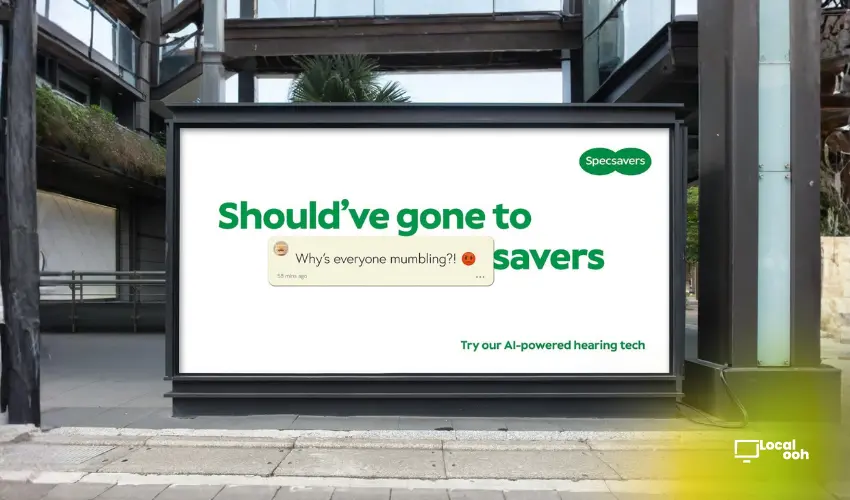
Quick answer: Specsavers has evolved its 22-year-old “Should’ve Gone to Specsavers” campaign into a broader platform focused on real customer needs and expert care. The new direction highlights services like home visits, urgent care, and advanced diagnostics through emotional storytelling.
A New Chapter for a Classic Platform
After more than two decades, Specsavers is reinventing one of advertising’s most recognizable brand platforms. The evolution of “Should’ve Gone to Specsavers” shifts the campaign from purely humor-led storytelling toward a more human-centered approach focused on accessibility, healthcare, and real-life support.
The new campaign positions the brand as more than an optician. It reinforces Specsavers’ role as a trusted provider of comprehensive eye and hearing care across multiple situations and life stages.
From Humor to Human-Centered Storytelling
While the campaign retains the humor that made the platform famous, the storytelling now carries greater emotional depth. The new creative direction focuses on relatable situations that highlight how expert care can solve everyday problems.
Each execution demonstrates how Specsavers supports customers through practical services delivered both in-store and at home, making healthcare feel more approachable and relevant.
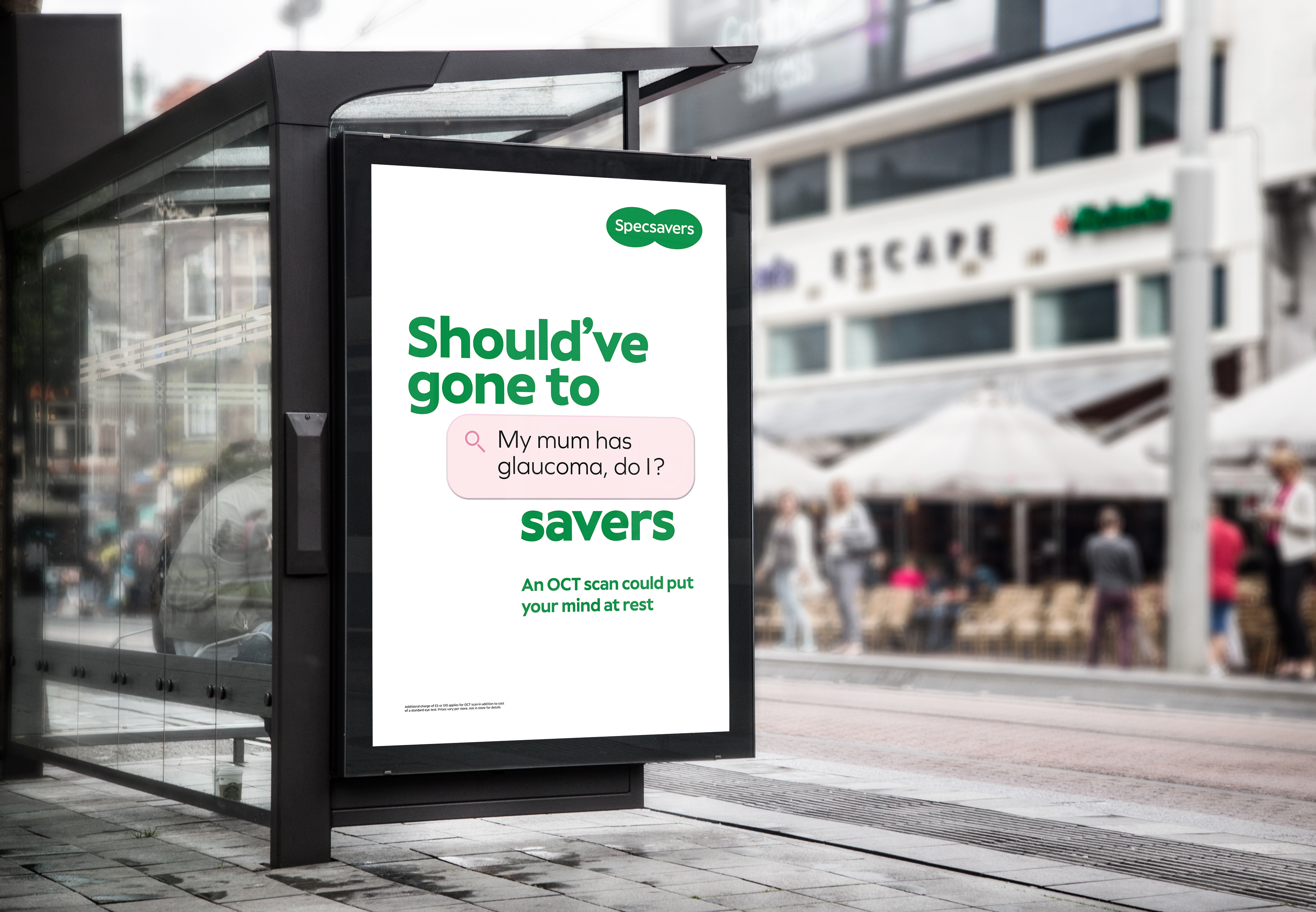
The Reinvention of “Should’ve”
Instead of relying on a single fixed tagline, the campaign transforms the familiar “Should’ve” concept into a more flexible communication platform.
The messaging adapts to different services, situations, and customer experiences while preserving the recognizable tone that audiences already associate with the brand.
This evolution allows Specsavers to modernize the campaign without losing the identity that made it iconic in the first place.
A Multi-Channel Rollout Designed for Scale
The campaign launches across the UK through television, cinema, radio, OOH, print, and digital platforms, with a structure designed to expand internationally.
Although the central idea remains consistent, local executions are adapted to reflect cultural context and healthcare priorities in different markets.
Initial phases focus on promoting services such as:
- Home visits
- Advanced eye diagnostics
- AI-powered hearing care
- Urgent care appointments
A Story That Makes the Message Personal
One of the campaign’s leading executions centers around a home visit scenario. What initially appears to be a normal domestic moment reveals that the optician is already present, ready to deliver care directly to the patient.
Narrated by Rob Brydon, the story emphasizes convenience, accessibility, and trust while showing how healthcare services can integrate naturally into daily life.

OOH as Problem-Solving Communication
The outdoor campaign extends the strategy by pairing everyday challenges with clear service-led solutions.
Rather than simply building awareness, the OOH executions demonstrate how Specsavers addresses real concerns people face in daily life, transforming simple messaging into meaningful problem-solving communication.
This approach makes the campaign feel practical, human, and highly relatable within public environments.
Why the Evolution Matters
The reinvention of “Should’ve Gone to Specsavers” reflects a broader shift happening across modern advertising. Brands are increasingly moving away from purely entertainment-driven campaigns and toward messaging that balances personality with real utility.
By evolving its iconic platform instead of replacing it, Specsavers proves that long-term brand assets can remain culturally relevant when adapted to changing consumer expectations and real-world needs.
FAQs
What changed in Specsavers’ new campaign?
The brand expanded its iconic “Should’ve Gone to Specsavers” platform into a more emotional and service-focused campaign centered on real customer needs.
What services are highlighted in the campaign?
The campaign focuses on home visits, urgent eye care, advanced diagnostics, and AI-powered hearing services.






Comments (0)
Join the conversation. Keep it respectful and on-topic.